
If you’re a landlord, homeowner, or tenant in the UK, gas safety checks are more than just a routine— they’re a legal requirement and an essential step to keeping your home safe. Whether it’s your first time arranging an inspection or you’re just curious about what happens during the process, understanding gas safety checks is vital.
In this article, we’ll break down what to expect during a gas safety inspection, how long it typically takes, what engineers check for, and what you need to do before and after the appointment.
What is a Gas Safety Check?
A gas safety check is a detailed inspection carried out by a Gas Safe registered engineer. Its purpose is to ensure that all gas appliances, pipework, and flues in your property are functioning safely and efficiently. These checks are mandatory for landlords and recommended for homeowners, especially those with gas boilers, fires, cookers, or heaters.
For landlords, it’s a legal obligation under the Gas Safety (Installation and Use) Regulations 1998 to have a gas safety check carried out annually for each property they let. Once the check is complete, a Gas Safety Certificate, often referred to as a CP12, is issued as proof of compliance.
What Happens During a Gas Safety Inspection?
When the Gas Safe registered engineer arrives, they’ll carry out a thorough check of all gas-related components in the home. Here’s a breakdown of what typically happens:
Visual Inspection
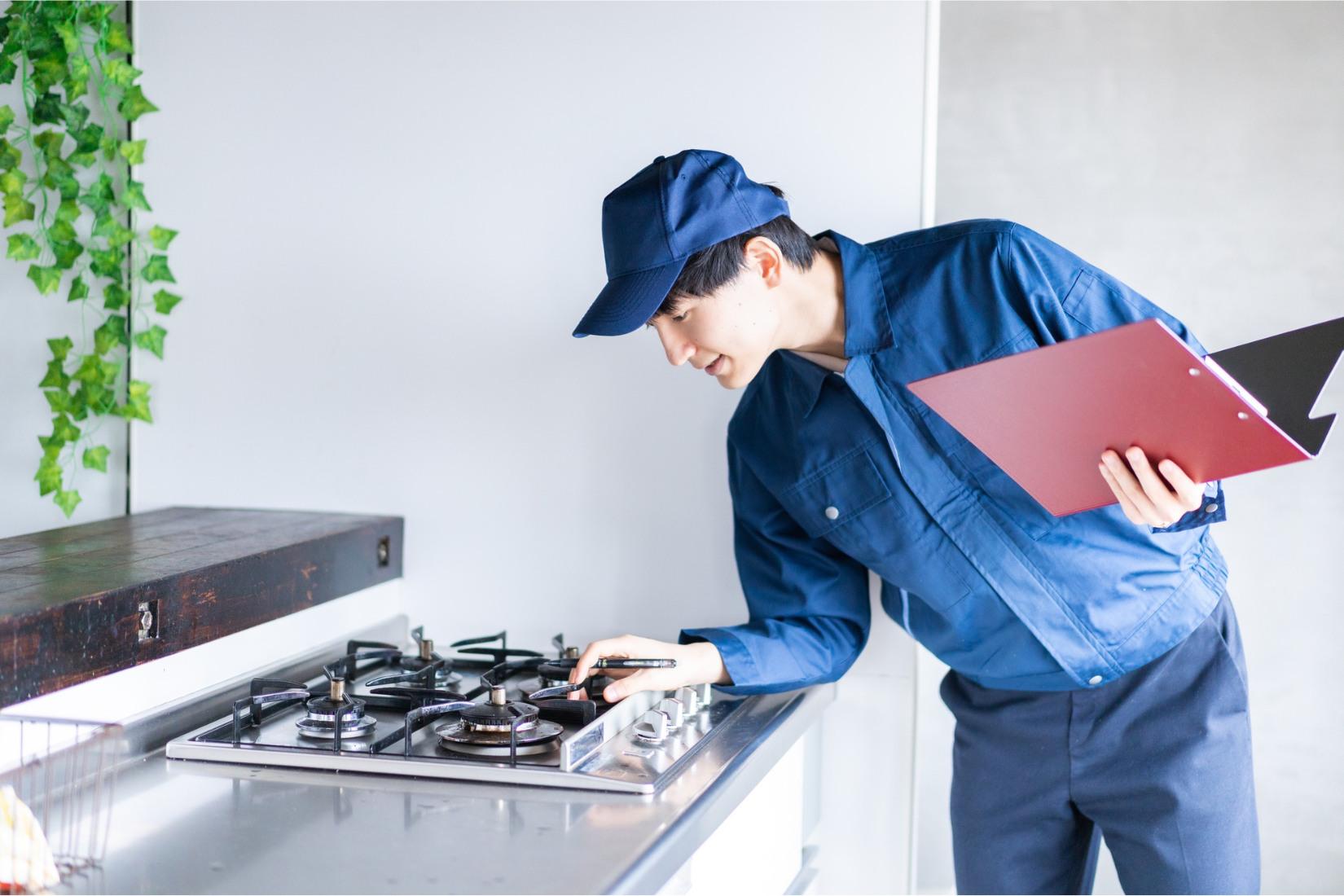
The engineer begins with a visual inspection of all gas appliances. They will look for any obvious signs of wear and tear, damage, or corrosion. This includes inspecting the appliance’s casing, ventilation, and surrounding area to ensure there are no hazards.
Checking Gas Appliances
Each gas appliance—boiler, gas cooker, gas fire, or water heater—is tested to ensure it’s functioning safely. This includes:
- Ensuring the appliance is burning gas properly and efficiently
- Checking that all safety devices are operational
- Inspecting the flame (if visible) to confirm it’s burning correctly
- Testing the appliance’s pressure and heat output
- Checking for carbon monoxide leaks
Flue and Ventilation Check
Proper ventilation is critical for safe gas appliance operation. The engineer will make sure that flues (the pipes that release waste gases) are securely fitted and not blocked. They’ll also check that the room has enough airflow for the appliance to burn gas safely.
Gas Tightness Test
The engineer will test the pipework to ensure there are no gas leaks. This is done by turning off all gas appliances and checking the system’s pressure over a set period of time. If there’s a pressure drop, it could indicate a leak, which would need to be repaired before a certificate can be issued.
Compliance with Regulations
The engineer will also ensure that all appliances and installations comply with current UK gas safety regulations. If anything is found to be unsafe or “at risk,” they will explain the issue to you and may shut off the gas supply to that particular appliance until it’s repaired.
Issuing the Gas Safety Certificate
After completing the checks, the engineer will issue a Gas Safety Certificate (CP12). This document will list all the appliances inspected, the results of each check, and any recommendations for repairs or further action.
Landlords must provide a copy of this certificate to their tenants within 28 days of the inspection or before a new tenancy begins.
How Long Does a Gas Safety Check Take?
The length of a gas safety inspection depends on several factors, including the number of gas appliances in the property, the size of the home, and whether any issues are found.
On average, a routine gas safety check in a standard two-bedroom property with one boiler and a gas cooker takes 30 to 60 minutes. If there are multiple appliances or if the engineer identifies problems that need further investigation, it could take longer.
To avoid delays, it helps to make sure all appliances are accessible before the engineer arrives.
Do You Need to Be at Home During the Inspection?
Yes, someone needs to be at the property to give the engineer access. If you’re a tenant, your landlord or letting agent will usually arrange this with you in advance. Landlords should either attend themselves or ensure the tenants are informed about the visit.
Preparing for a Gas Safety Check
Here are a few simple things you can do to prepare:
- Clear the area around gas appliances so the engineer can access them easily
- Unlock meter cupboards and ensure there’s access to the gas meter
- Make sure someone over 18 is at the property to allow entry
- If you’re a landlord, have past service records or previous certificates on hand
Being prepared helps the engineer complete the job efficiently and ensures a smoother inspection process.
What Happens if an Appliance Fails the Inspection?
If an appliance is found to be unsafe, the engineer will classify it using one of the following categories:
- Immediately Dangerous (ID): The appliance poses an immediate risk and will be disconnected immediately.
- At Risk (AR): There’s a potential hazard, and the appliance may be disconnected with your permission until repaired.
- Not to Current Standards (NCS): This doesn’t mean the appliance is unsafe, but it doesn’t meet current safety standards. This is advisory only.
The engineer will explain the issue clearly and may offer repair services, or recommend a specialist to carry out the required work.
How Often Should Gas Safety Checks Be Done?
Landlords are legally required to carry out gas safety checks every 12 months. The expiry date of the certificate is clearly marked, and it’s advisable to book the next inspection a few weeks in advance to avoid any gaps in compliance.
For homeowners, while it’s not legally required, an annual gas safety check is strongly recommended—especially if your boiler is over a few years old. Regular checks help prevent carbon monoxide leaks, costly breakdowns, and keep your heating system running efficiently.
Why Are Gas Safety Checks Important?
Gas safety inspections are not just about legal compliance—they’re about protecting lives. Faulty appliances can lead to:
- Carbon monoxide poisoning
- Explosions or fires
- Gas leaks that may go undetected without testing
By arranging regular checks, landlords fulfil their duty of care, and homeowners gain peace of mind knowing their property is safe.
Choosing a Gas Safe Registered Engineer
You must use a Gas Safe registered engineer for any gas work in your property. This is non-negotiable and ensures the work is carried out safely and legally. You can verify an engineer’s credentials on the Gas Safe Register by entering their ID or company name.
Reputable engineers will carry their Gas Safe ID card and should be willing to show it before starting the inspection.
Final Thoughts
Gas safety checks are a vital part of maintaining a safe and legally compliant home or rental property. Whether you’re a landlord arranging the annual certificate or a homeowner booking a routine inspection, knowing what to expect during a gas safety inspection makes the process easier and more efficient.
From checking gas appliances and testing pipework to issuing certificates and identifying potential risks, these inspections ensure your gas systems are operating safely and within UK regulations.
Scheduling a gas safety check in advance, keeping access clear, and choosing a qualified engineer will help make the inspection quick, effective, and stress-free.
Don’t wait for something to go wrong—make gas safety a top priority every year.