
If you manage or own a care home in the UK, fire safety isn’t just a regulatory requirement; it’s a vital responsibility to protect vulnerable residents. With updated fire safety regulations now in force through 2026, your care home’s approach to fire safety, including your fire risk assessment (FRA), needs to meet current standards.
Below is an authoritative, easy-to-follow guide covering the legal duties, common hazards, staff awareness and practical steps involved in fire safety in care homes.
Why Fire Safety in Care Homes Matters More Than Ever
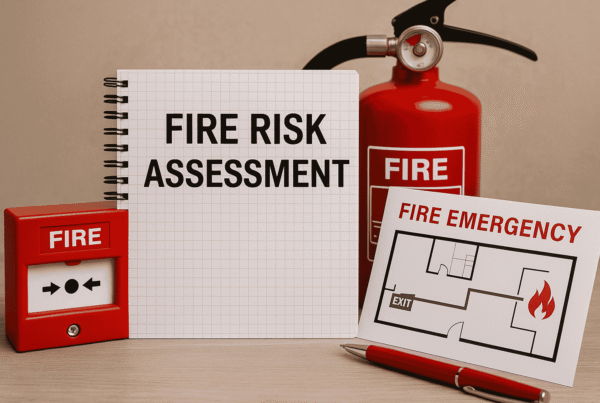
Fire risk assessments are legally mandated under the Regulatory Reform (Fire Safety) Order 2005. Recent updates including the Fire Safety Act 2021, Fire Safety (England) Regulations 2022, and the BS EN 13501 standards (replacing old BS 476) all take effect from 2 March 2025.
Comprehensive fire safety in a care home helps you to:
- Safeguard residents with mobility or cognitive limitations
- Comply with Fire & Rescue enforcement guidance
- Maintain valid insurance
- Preserve your reputation with families and oversight bodies
Common Fire Hazards in Care Homes
Understanding where fires actually start is central to preventing them. The most common hazards in a care home include:
- Cooking and kitchen appliances, particularly extraction fans and ventilation systems that aren’t cleaned regularly
- Electrical faults from ageing wiring, overloaded sockets, and medical or mobility equipment left on charge
- Smoking materials, especially where residents smoke in bed or an armchair and may be less mobile or prone to falling asleep
- Emollient creams, which can soak into bedding, clothing and dressings and make fabric far more flammable
- Blocked escape routes and wedged fire doors, both of which undermine the compartmentation that keeps a fire contained
5-Step Fire Risk Assessments Checklist for Care Homes
Adapted from the GOV.UK 5-step checklist, this is tailored for care home environments:
- Identify Hazards
– Electrical and cooking ignition sources
– Flammable materials like linens and furniture - Identify People at Risk
– Residents with mobility issues, dementia, or visual/hearing impairments
– Visitors, contractors, and staff - Evaluate, Act & Maintain
– Check fire alarms, extinguishers, sprinklers, signage and emergency lighting - Record, Plan & Train
– Document assessments and plans, conduct drills, and maintain staff training logs - Review on Time
– At least annually and after any change to layout, occupancy or incidents
Basic Fire Safety Awareness for Care Homes
Every person working in a care home, including care assistants, kitchen staff, cleaners, maintenance workers and agency staff, needs a working understanding of fire safety, not just designated fire marshals. As a minimum, basic fire safety awareness should cover:
- How fires start, spread and are extinguished
- The most common fire hazards specific to a care setting, and how to reduce them day to day
- What to do if you discover a fire, and what to do when you hear the alarm
- The evacuation strategy used in the building, whether that’s simultaneous evacuation, “stay put”, or horizontal evacuation between fire compartments
- How to support residents with mobility, sensory or cognitive impairments during an evacuation, including their role under any PEEP or RPEEP
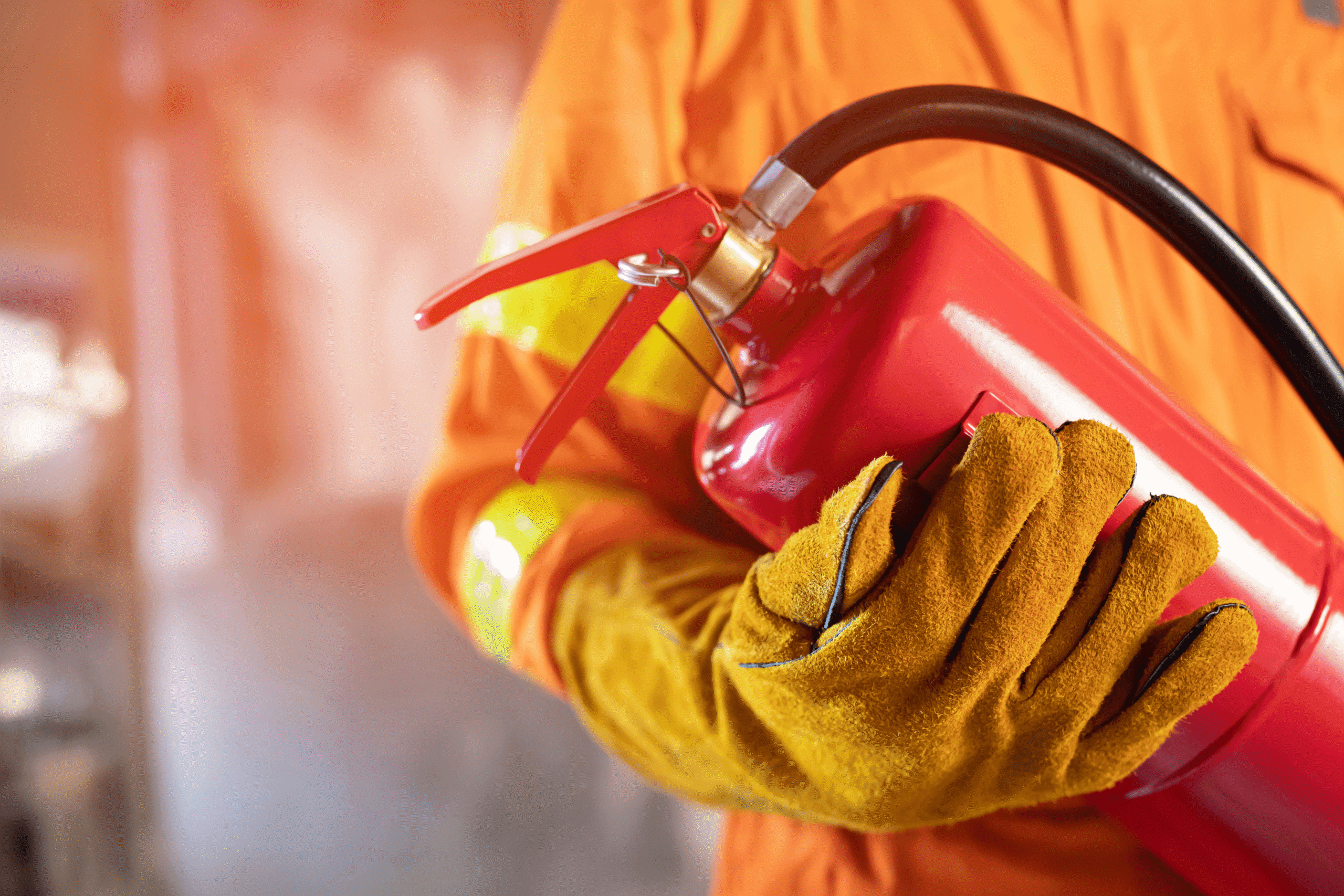
- The location and basic use of fire safety equipment, including different types of extinguisher
This training should be delivered as part of induction for new starters and refreshed regularly, at least annually, given the vulnerability of residents and the high staff turnover typical of the sector.
Key Rules Specific to Care Homes in 2026
Mandatory Sprinklers in New Builds
Since 2 March 2025, all new care homes in England must have sprinkler systems, regardless of size or height. This requirement remains in force for any new developments.
Personal Emergency Evacuation Plans (PEEPs)
Enhanced after the Grenfell Inquiry, PEEPs must be personalised for each mobility-impaired resident and shared with the local fire service. From 6 April 2026, the Fire Safety (Residential Evacuation Plans) (England) Regulations 2025 also came into force, introducing Residential PEEPs (RPEEPs). Care homes, as settings with a high proportion of residents who may struggle to evacuate unaided, are directly affected. Responsible Persons must identify relevant residents, offer them a person-centred fire risk assessment, and agree an RPEEP where the resident consents.
BS EN 13501 Fire Classification
Since March 2025, BS EN 13501 has been replacing BS 476 for fire doors, walls, and high-risk areas. This transition is being phased in, with full replacement of the remaining fire-resistance classifications not due until September 2029, so further updates are expected over the next few years.
Cost Expectations & Complexity
Care home FRAs are more comprehensive than standard assessments. For non-domestic premises in 2025, expect fees between £200–£1,300, depending on:
- Property size and floor count
- Layout complexity and occupancy levels
- Age and condition of the building
- Extra requirements like sprinklers or specialised PEEPs
What Happens During an FRA Visit
A typical assessment includes:
- Walk-through of communal and private areas (checking routes and equipment)
- Inspection of sprinklers, alarms, extinguishers, signage, and lighting
- Evaluating evacuation procedures for mobility-impaired residents
- Reviewing staff training records
- Delivering a timestamped written report with clear recommendations and timescales
- Ongoing updates via a digital or paper FRA log
Consequences of Non‑Compliance
Failure to comply could result in:
- Enforcement notices from Fire & Rescue authorities
- Unlimited fines or imprisonment
- Invalidated insurance policies
- Increased risk to resident safety
Staying Compliant in 2026 & Beyond
To maintain full compliance:
- Conduct annual reviews, and after any structural or procedural changes
- Ensure sprinklers are installed in all new care homes
- Use only BS EN 13501–compliant fire doors and walls
- Create and update PEEPs for vulnerable residents
- Hire qualified assessors—check credentials via the Fire Risk Assessment Competency Council
- Keep documentation, training records, and drill logs current and accessible
Final Thoughts: Safety, Compliance & Confidence
2025 brings stricter fire safety duties for care homes, but these steps offer not just legal coverage, they provide peace of mind, protection for your residents, and assurance for families and regulators.
Get a Quote: Fast, Compliant, Transparent
At Property Checks, our Level 4+ qualified assessors provide:
- Clear, upfront pricing
- Easy digital reporting
- Tailored compliance checks (sprinklers, PEEPs, fire doors)
- Nationwide UK coverage
Need help now?
Contact us today for your free, no-obligation FRA quote, we’ll have you compliant in 24 hours.