
Specifically these lights can actually be the difference between death and life. Because the activated glowing lights assist people towards a safe route. Moreover they aid in the reducing panic and anxiety when an emergency evacuation procedures is in progress.
Emergency Lights Installation and Testing
Emergency lights play an important role in any situation where determining the best way out of a building is critical. For instance, during a fire, a gas leak, or a power failure during the night.
Why Installation & Testing Matter
What exactly are
Emergency Lights?
Why Installation & Testing Matter
How do you obtain an
Emergency Lights Testing Certificate?
Property Checks make it simple and quick to have your building’s hazard lights checked and certified regularly.
Our technicians will undergo a comprehensive inspection to identify all units that do not meet the required standard. They will also outline the necessary maintenance required along with any shortfalls in order to keep your employees safe and any potential lawsuits at bay. With your permission, they will take the necessary steps to ensure your building is compliant.

Trust & Benefits
Contact us today or
request a quote online
In order to begin your journey of understanding the need for emergency lighting in your property.
TESTIMONIALS
What Our Clients Say
Our Services
Explore Our Other Electrical Safety Services
Keep your electrical installations safe and compliant with our qualified engineers.
Electrical Safety Certificate (Commercial)
A full assessment of your commercial property’s electrical systems to keep your workplace safe and compliant.
Electrical Safety Certificate (Residential)
EICR inspections for rented homes to keep tenants safe and meet landlord electrical safety requirements.
FAQ
Frequently Asked Questions
Where should emergency lighting be installed?
Emergency lighting should be installed along escape routes, at fire exits, in stairwells, on changes of direction or level, and near fire-fighting equipment and call points. It should also cover areas without natural light, such as internal corridors and plant rooms, so occupants can evacuate safely if the mains power fails.
Is emergency lighting a legal requirement in the UK?
Yes. Emergency lighting is required in almost all non-domestic buildings and in the communal areas of residential blocks under the Regulatory Reform (Fire Safety) Order 2005 and BS 5266-1. The responsible person must ensure that all escape routes and critical safety points remain illuminated during a power failure so people can evacuate the building safely.
How much does it cost to install emergency lighting?
The cost of installing emergency lighting depends on the size of the building, the number of units required and the existing electrical infrastructure. We provide a fixed quote after assessing your escape routes and current lighting setup.
Why is emergency lighting installed?
Emergency lighting is installed to keep escape routes visible during a power failure, so occupants can find their way out safely during a fire, gas leak or other emergency. It also helps reduce panic and confusion and highlights the location of fire-fighting equipment and exit points.
How often should emergency lights be tested?
Emergency lights must be function-tested every month and undergo a full duration test every year. These intervals follow BS 5266-1. Monthly tests check that the lights operate when the mains power fails. The annual test confirms that the system can run for its full rated duration, usually three hours.
What is included in an emergency lights inspection?
A qualified technician will check the condition of each unit, including battery function, charging indicators, lamp output, wiring, exit signage and correct placement. The inspection also confirms that escape routes are illuminated and that all fittings comply with the relevant British Standards.
Who can test emergency lighting?
Emergency lighting should be tested by a competent person familiar with BS 5266-1 requirements, such as a qualified electrician or fire safety technician. Our engineers carry out both the monthly function tests and the annual full-duration test, and provide certification confirming the results.
Do I receive a certificate after emergency lighting testing?
Yes. After the inspection, you receive a maintenance or compliance certificate that records the results of the test, any faults found and the corrective actions required. This certificate forms part of your fire safety logbook and can be requested by insurers, landlords, auditors and the fire authority.
What happens if my emergency lights fail the test?
If any unit fails, it must be repaired or replaced as soon as possible. Failures may include faulty batteries, damaged lamps, incorrect signage, poor placement or wiring issues. You will be informed of the required remedial work and a follow-up visit can be arranged to bring the system back to compliance.
Recent Blog
Related Insights and Resources
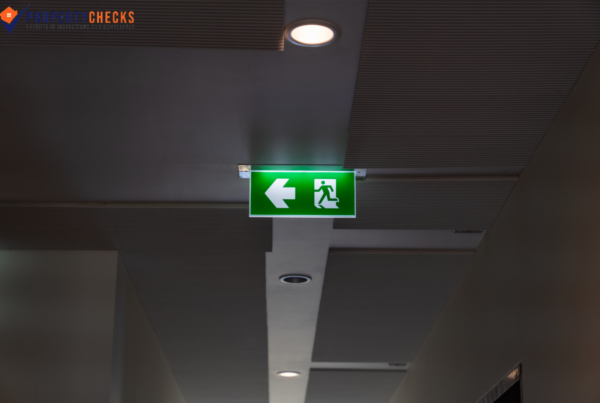
Emergency lighting is a critical safety feature in many buildings across the UK. In situations where normal lighting fails, emergency lighting systems help occupants navigate escape routes safely and reduce…

Fire safety remains one of the most important responsibilities for property owners and managers in the UK. Whether a building is residential, commercial, or mixed use, the potential consequences of…
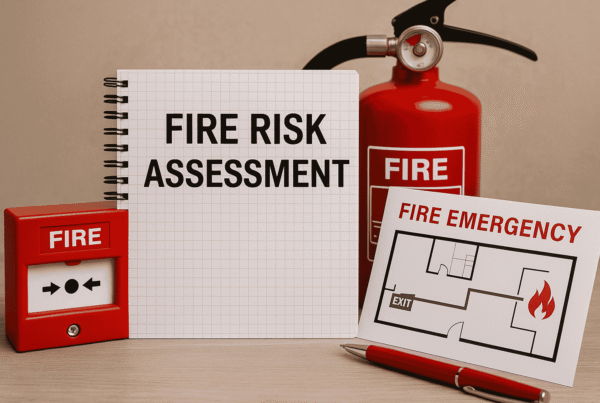
Fire safety is one of the most essential responsibilities for any organisation, whether you manage a small retail shop, a busy office floor, a multi-storey commercial complex, or a warehouse…