
Fire Risk Assessments (FRA) are a legal requirement under the Regulatory Reform (Fire Safety) Order 2005. Whether you’re a landlord or business owner, you must assess and manage fire risk on your property.
Fire Risk Assessment (FRA) for
London and beyond
At Property Checks, we provide certified Fire Risk Assessments (FRA) to help landlords, businesses and property managers meet the Regulatory Reform (Fire Safety) Order 2005. Our IFSM-accredited assessors identify fire hazards, evaluate evacuation plans and recommend actionable improvements.
Why Fire Risk Assessments Matter
Stay Compliant, Avoid
Fines, Protect Lives
What's Included in an FRA?
Comprehensive FRA Coverage

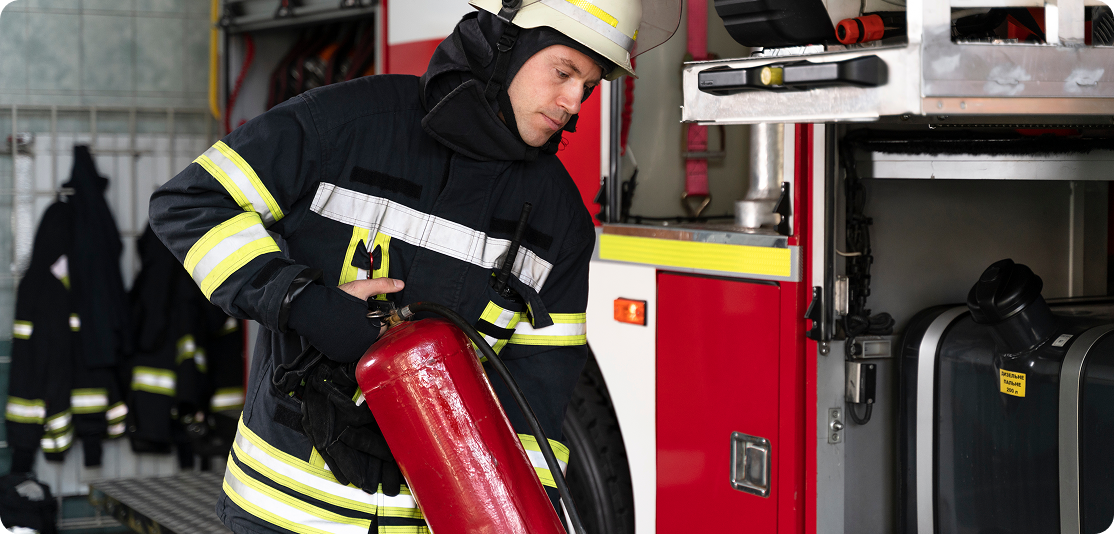
LEGAL REQUIREMENT
Why Your Commercial Property Needs a Fire
Risk Assessment
A fire risk assessment (FRA) isn’t just a legal requirement under the Regulatory Reform (Fire Safety) Order 2005 – it’s your first line of defense against devastating fires. With rising fines for non-compliance (up to £125,000 for breaches) and stricter enforcement post-Grenfell, failing to act risks lives, property, and your reputation.
Fire Risk Assessment for Commercial Properties
A commercial fire risk assessment is a legal requirement under the Regulatory Reform (Fire Safety) Order 2005. It identifies fire hazards (electrical faults, flammable materials), evaluates escape routes, and ensures compliance. Required for offices, warehouses, shops, and HMOs, it must be reviewed annually or after major changes.
Property Types We Assess
Tailored to Your Property Type

HMO FRA
Fire risk assessment for HMO housing with multiple occupation, including properties requiring mandatory additional or selective licensing.

Commercial FRA
Fire risk assessment for commercial properties, including retail and office buildings, GP clinics, and dental clinics.
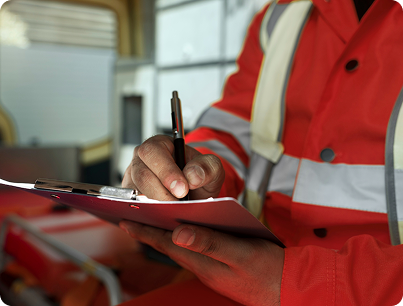
Special Premises FRA
Fire risk assessment for care homes, supported living (CQC-regulated), children’s homes (Ofsted-regulated), and semi-independent accommodation.

Communal Areas FRA
Fire risk assessment for residential communal areas in blocks of flats and shared buildings.

High-Rise FRA
Fire risk assessment for high-rise buildings (18 metres and above), ensuring full compliance with updated fire safety regulations.

Why Choose Property Checks?
Trusted by Landlords & Businesses
Trust & Benefits
Don’t Risk Fines or Lives
Get Your Compliant FRA
Today!
We make fire compliance simple and stress-free. Let our experts keep your property safe.
TESTIMONIALS
What Our Clients Say
Our Services
Explore Our Other Fire Safety Services
Protect occupants and meet your fire safety duties with our certified fire safety services.
Fire Door Inspection
Professional inspection and maintenance to ensure your fire doors meet UK safety standards.
Professional inspection and maintenance to ensure your fire doors meet UK safety standards.
Emergency Lights Installation and Testing
Reliable installation and testing to keep your escape routes illuminated and compliant.
Reliable installation and testing to keep your escape routes illuminated and compliant.
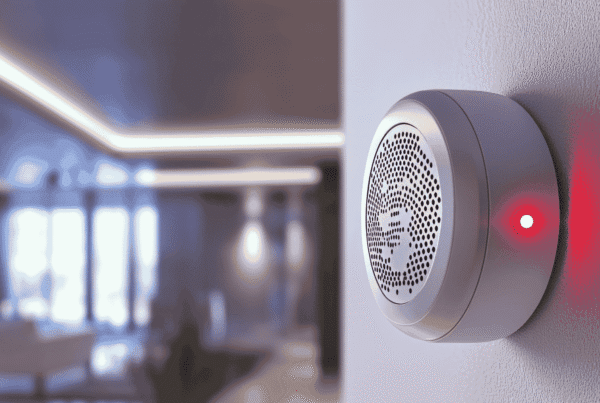
Smoke Alarm Installation & Testing
Install and maintain smoke alarms to ensure early fire detection and legal compliance.
Install and maintain smoke alarms to ensure early fire detection and legal compliance.
Fire Extinguisher Servicing
BS 5306-compliant servicing and inspection for all fire extinguishers on your premises.
BS 5306-compliant servicing and inspection for all fire extinguishers on your premises.
FAQ
Frequently Asked Questions
What is a Fire Risk Assessment?
A Fire Risk Assessment (FRA) is a structured review of a building to identify fire hazards, evaluate how people would escape in an emergency, and set out the measures needed to keep everyone safe. It’s a legal requirement under the Regulatory Reform (Fire Safety) Order 2005 for most non-domestic premises and the communal areas of residential buildings.
Who is responsible for arranging a Fire Risk Assessment?
Under the Regulatory Reform (Fire Safety) Order 2005, the “responsible person” must arrange and maintain a Fire Risk Assessment. This is usually the landlord, freeholder, employer, building manager, or managing agent. In HMOs and commercial premises, the duty sits with whoever has control of the building.
How much does a Fire Risk Assessment cost?
The cost of a Fire Risk Assessment depends on the size, type and complexity of the property. Smaller residential communal areas or single commercial units typically cost less than large, multi-let or high-risk buildings such as care homes or warehouses. Contact us for a fixed, no-obligation quote based on your specific property.
How often should a Fire Risk Assessment be reviewed?
The law requires assessments to be regularly reviewed. In the UK this normally means once a year or sooner if there are any significant changes to the building, layout, occupancy or fire safety systems. HMOs, care settings, high-risk workplaces and commercial properties benefit from more frequent reviews.
Who can carry out a Fire Risk Assessment?
A Fire Risk Assessment should be carried out by a competent person with the relevant training, knowledge and experience in fire safety. This includes qualified fire risk assessors who understand fire safety legislation, building construction and evacuation strategy. Our assessors are IFSM-accredited and experienced across residential, commercial and specialist premises.
What does a Fire Risk Assessment include?
A competent fire risk assessor will inspect fire doors, escape routes, compartmentation, fire loading, fire alarm systems, emergency lighting, fire extinguishers, fire safety signage, electrical safety concerns, and overall fire protection measures. The assessment also includes a review of statutory compliance documentation such as the EICR, Gas Safety Records, and evacuation procedures. A written report is then produced detailing clear actions, compliance gaps, and prioritised recommendations to support life safety and legal compliance.
Do you need a Fire Risk Assessment for flats?
Yes. Blocks of flats need a Fire Risk Assessment covering the communal areas, such as hallways, stairwells, bin stores and shared plant rooms, even though individual flats are usually excluded. This applies to freeholders, managing agents and landlords responsible for shared parts of the building.
What happens if the assessment identifies problems?
You will receive a report with practical recommendations and a prioritised action plan. Most issues can be resolved with maintenance or upgrades. If serious risks are ignored, the local fire authority can issue fines, enforcement notices or restrictions on the use of the building.
How long does a Fire Risk Assessment take?
Most Fire Risk Assessments take between one and three hours on-site, depending on the size and complexity of the building. Larger sites, HMOs with multiple units, or properties with limited existing documentation may take longer. You’ll receive your written report and action plan shortly after the visit.
Do you assess all property types including HMOs and commercial buildings?
Yes. We assess HMOs, residential communal areas, supported living, care homes, GP and dental clinics, retail units, warehouses, offices and high-rise buildings over 18 metres. Our assessors are qualified to carry out fire risk assessments across a wide range of residential and commercial settings.
Recent Blog
Related Insights and Resources
Fire safety remains one of the most important responsibilities for property owners and managers in the UK. Whether a building is residential, commercial, or mixed use, the potential consequences of…
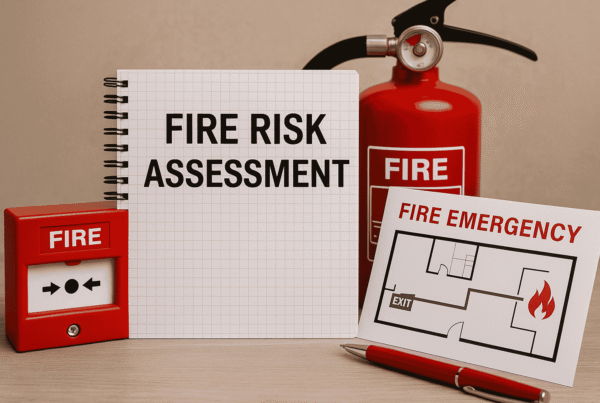
Fire safety is one of the most essential responsibilities for any organisation, whether you manage a small retail shop, a busy office floor, a multi-storey commercial complex, or a warehouse…
GP surgery risk assessment is required by law. All GP practices are required by law to follow the 2006 Fire Safety Order (FSO) and be able to show compliance when…