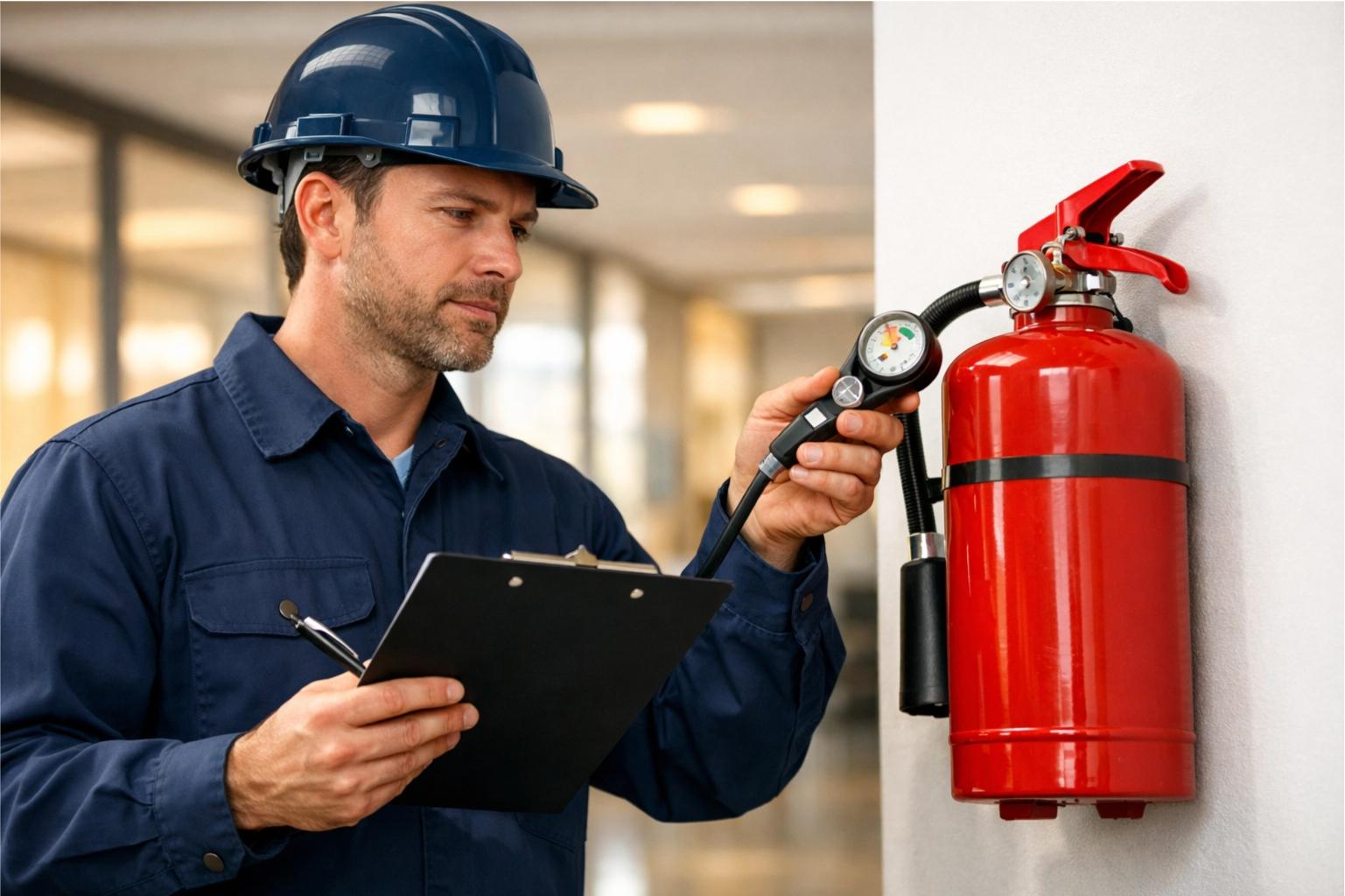
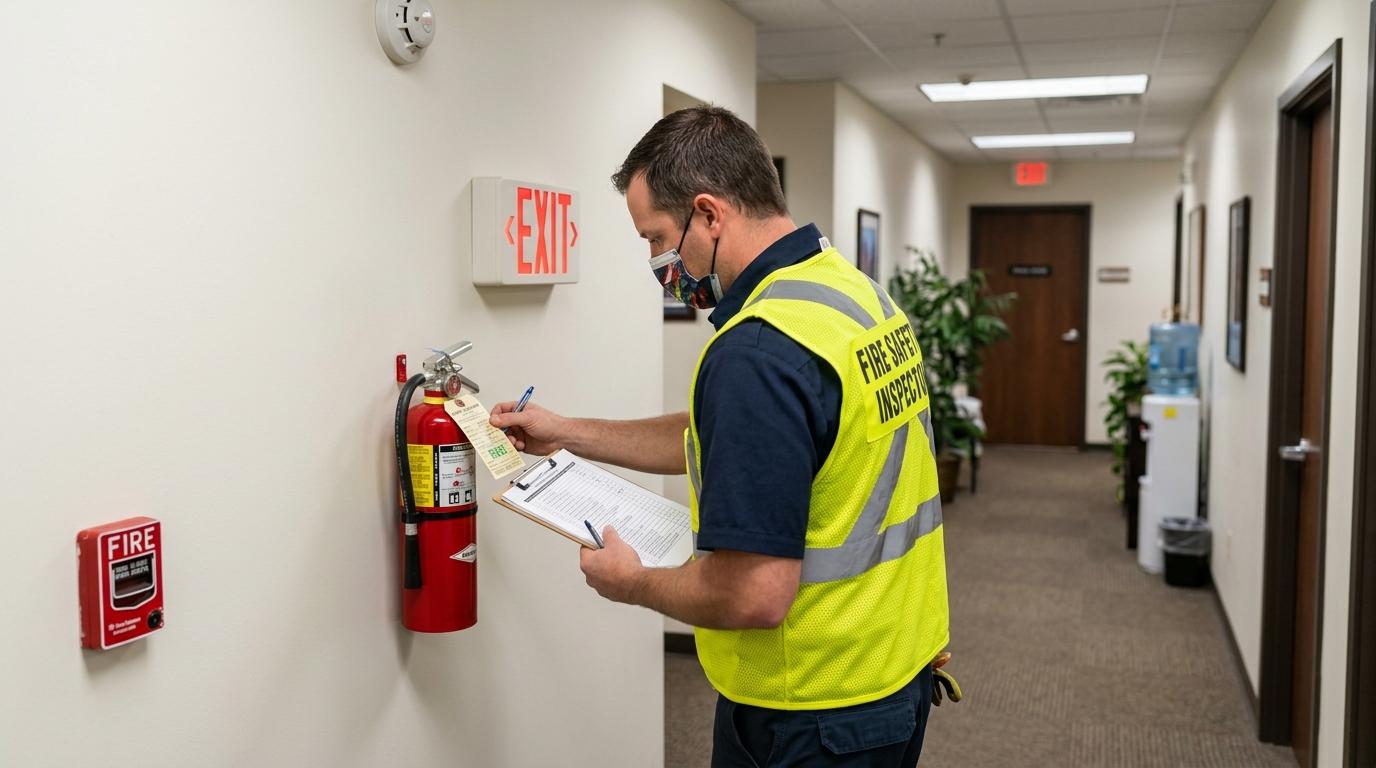
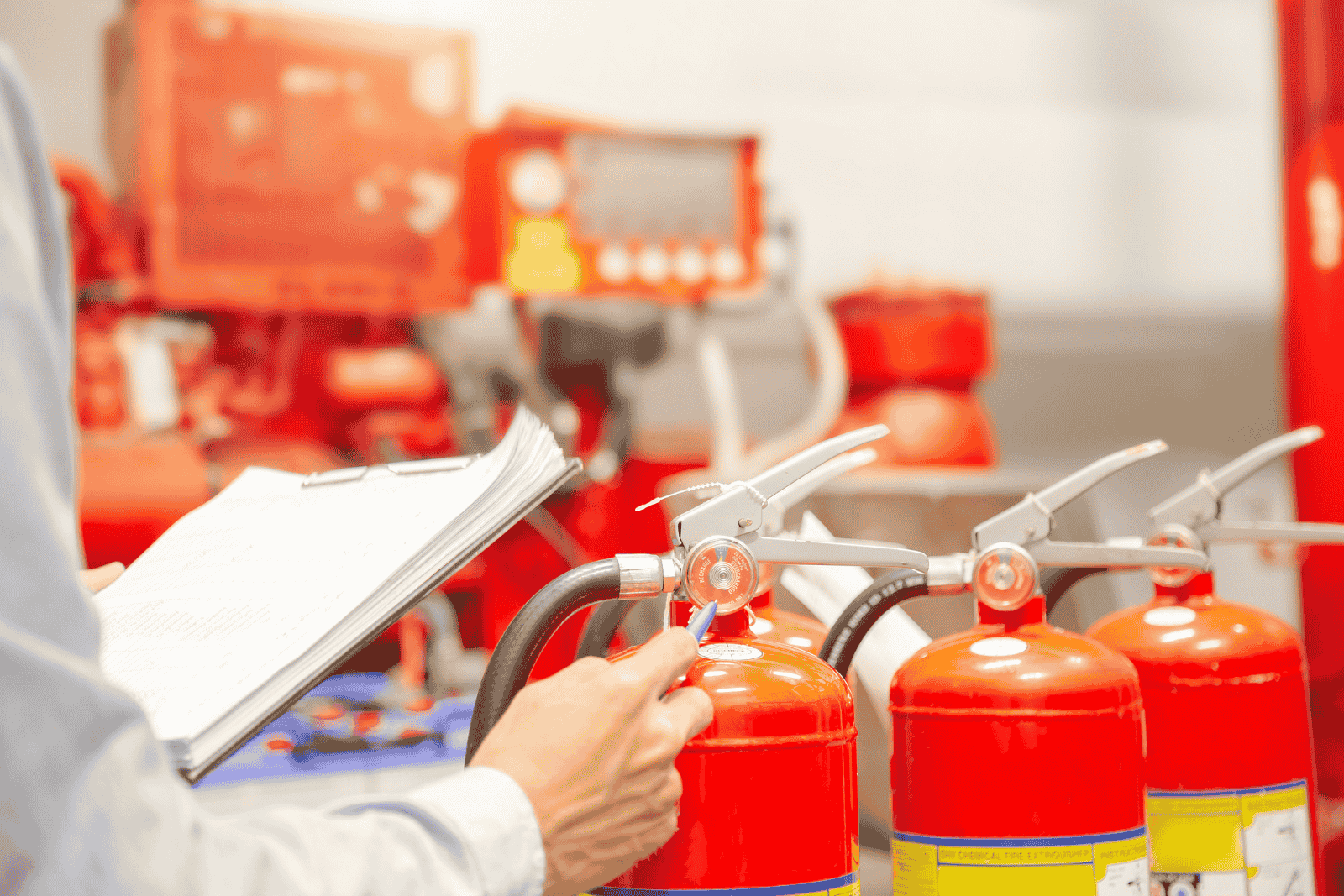
Fire extinguishers need a quick visual check every month, a full service by a competent engineer once a year, and an extended service (and eventual replacement) every 5 to 10…
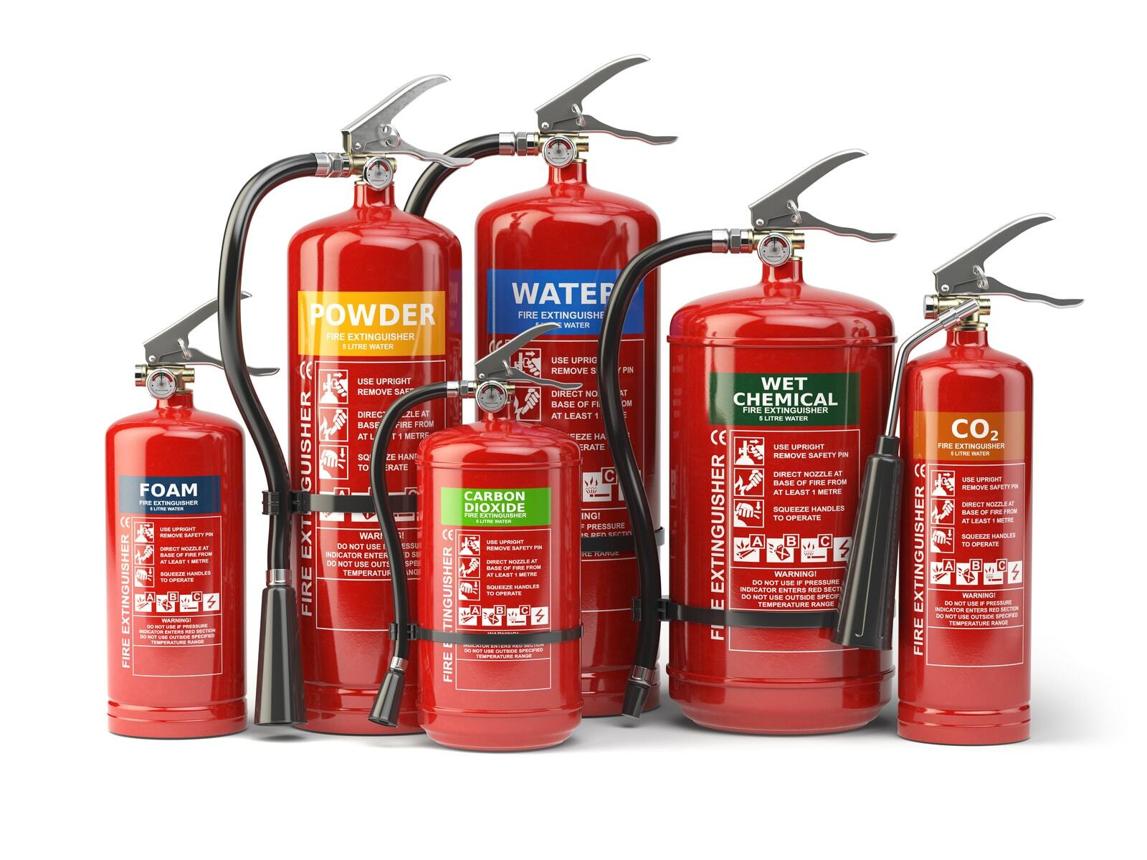
UK fire extinguishers are matched to the class of fire they put out: water for solids (Class A), foam for solids and liquids (Class A and B), dry powder for…
Fire risk assessments in housing come in four types, depending on whether the assessor inspects only the communal areas or also a sample of flats, and whether they open up…
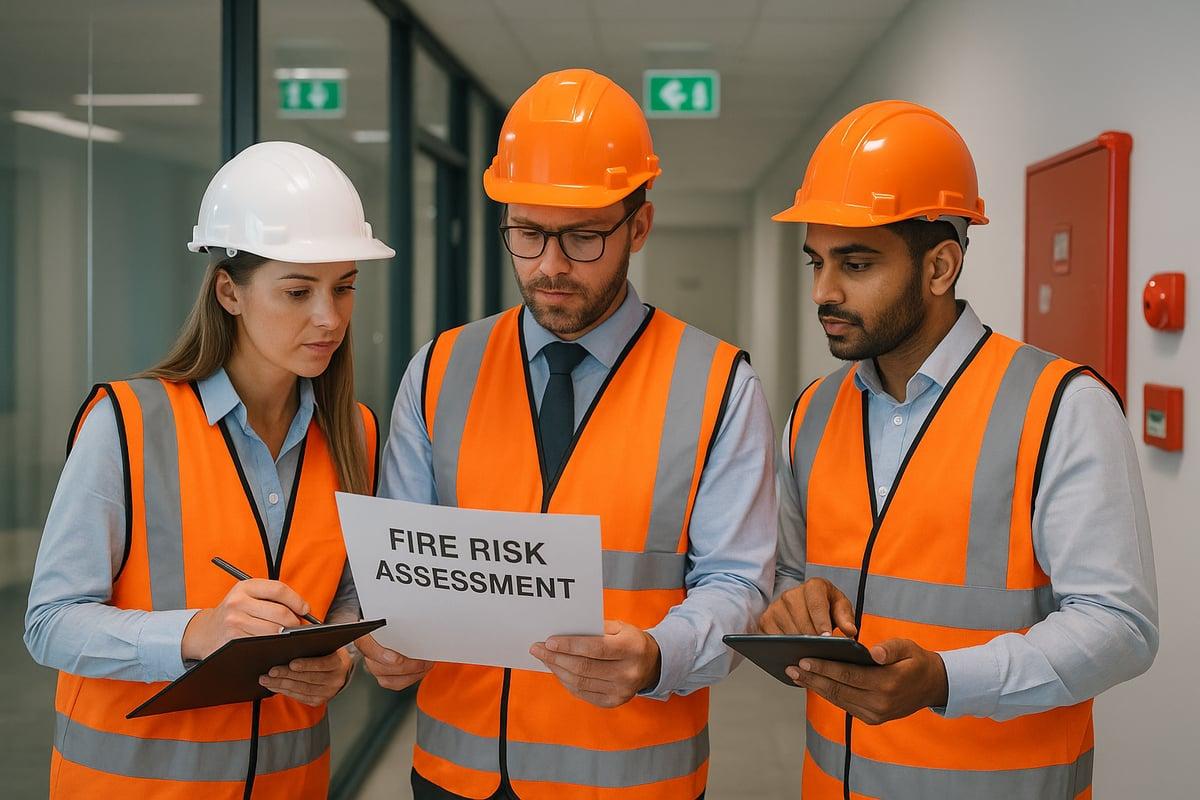
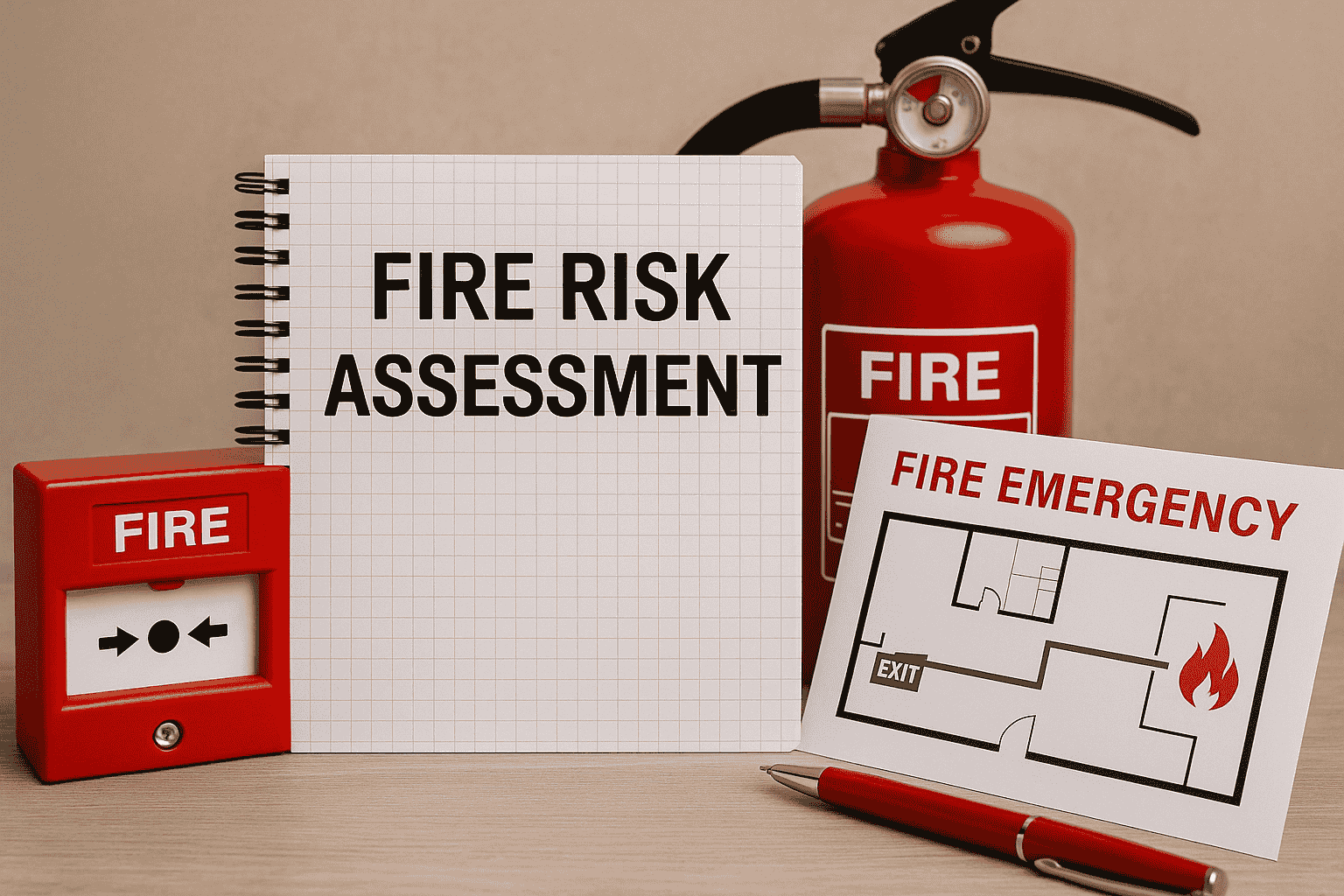
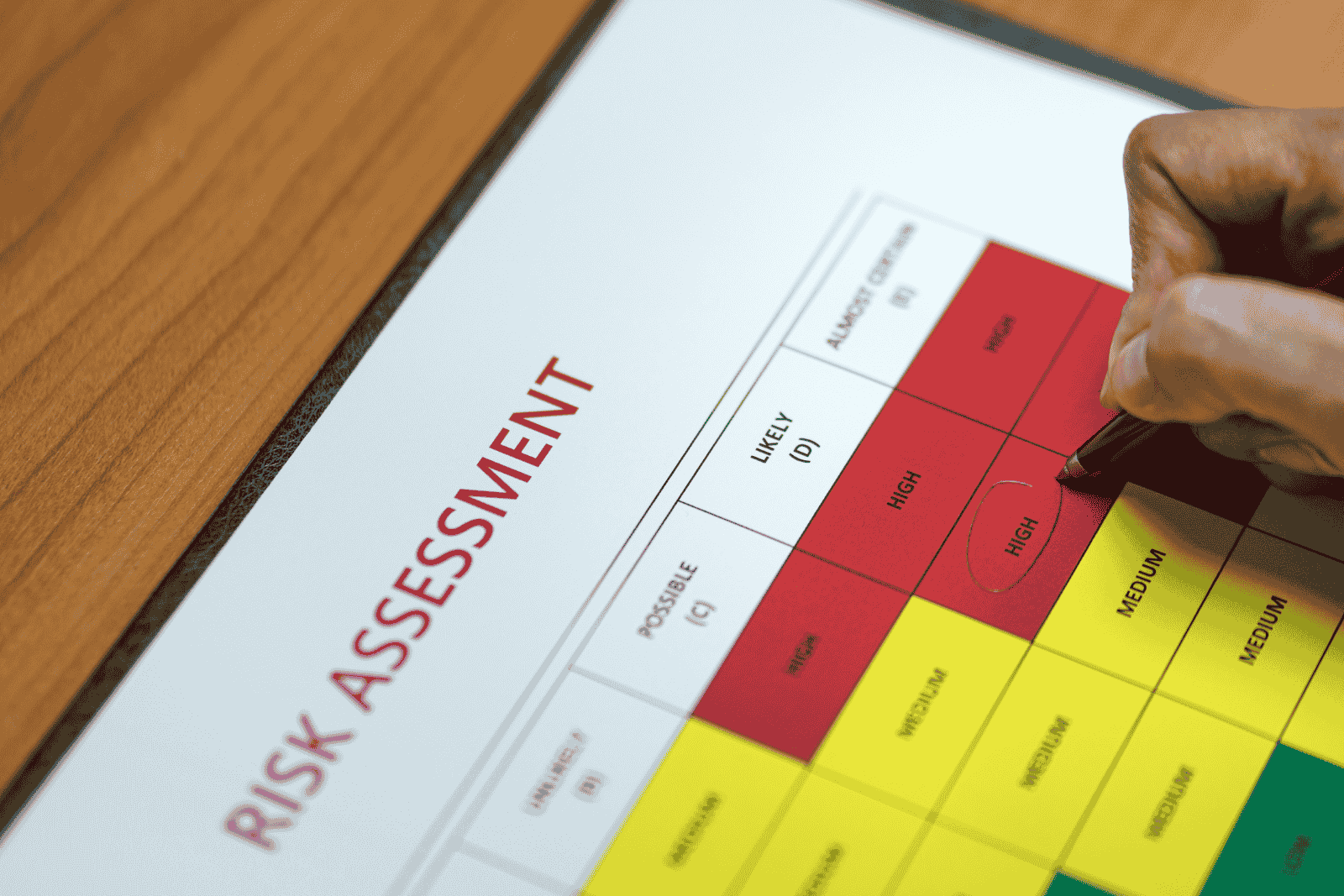
A fire risk assessment (FRA) is a structured inspection of a building's fire hazards, escape routes and fire safety equipment, followed by a written report with a prioritised action plan.…
Fire safety remains one of the most important responsibilities for property owners and managers in the UK. Whether a building is residential, commercial, or mixed use, the potential consequences of…
Fire safety is one of the most essential responsibilities for any organisation, whether you manage a small retail shop, a busy office floor, a multi-storey commercial complex, or a warehouse…
GP surgery risk assessment is required by law. All GP practices are required by law to follow the 2006 Fire Safety Order (FSO) and be able to show compliance when…
Fire safety should always be the top priority for property owners. Without a proper fire risk assessment, the risk of a fire breaking out and causing harm or damage is increased.…
In both commercial and residential properties, prioritising fire safety is paramount. Conducting thorough fire risk assessments for HMOs is not only crucial for safeguarding lives but also mandated under UK law. This applies…
Fire risk assessments are indispensable for ensuring property safety in the UK, mandated by rigorous property laws. Whether you reside in London or elsewhere in the country, understanding the importance of…