
Legionella bacteria can develop where water systems create suitable conditions for growth. A suitable assessment helps duty holders identify the risks, put proportionate controls in place and protect residents, employees and visitors.
Legionella Risk Assessment
Protecting Occupants from Waterborne Health Risks.
Professional Legionella Risk Assessments for residential, commercial and healthcare premises, helping landlords, managing agents and duty holders comply with the Health and Safety at Work etc. Act 1974, COSHH, and the HSE Approved Code of Practice L8 and HSG274 guidance.
Why You Need a Legionella Risk Assessment
Stay Compliant & Protect
Health
What We Check
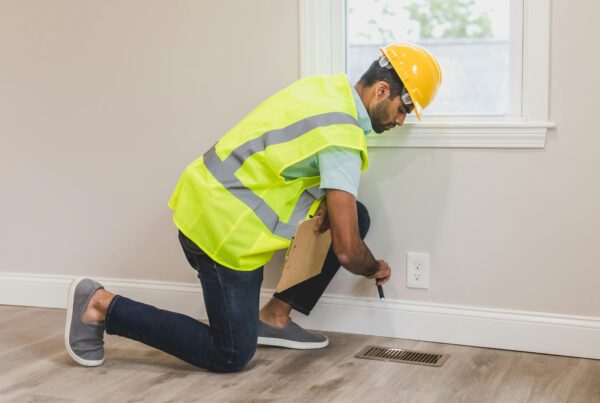
Detailed, On-Site Inspections
by Competent Assessors


Legionella Risk Assessment
What Is a Legionella Risk Assessment?
A Legionella risk assessment is a systematic review of a building’s water system to identify conditions that may allow Legionella bacteria to grow or spread. It considers the system design, water temperatures, usage patterns, vulnerable occupants and existing control measures.
Following the inspection, we provide a clear digital report setting out the findings, risk level and practical actions required to manage the system safely.
Legionella Risk Assessments for Landlords & Businesses
We assess hot and cold water systems in rental properties, HMOs, care settings, offices and other commercial premises. Where a property contains cooling towers, evaporative condensers or other complex systems, the scope and competence requirements should be confirmed before booking.
Who Needs This Survey?
Designed for Landlords, Builders & Businesses

Landlords
(Private & HMO)

Homeowners

Property managers

Building contractors
& surveyors
& surveyors

Public sector:
schools, hospitals,
housing associations
schools, hospitals,
housing associations

Why Choose Property Checks?
Trusted, Fast & Compliant
Trust & Benefits
Keep Your Water System Safe & Compliant
Do not leave water-hygiene risks unmanaged. Arrange a professional Legionella risk assessment and receive a clear report with practical next steps.
TESTIMONIALS
What Our Clients Say
Our Services
Explore Our Other Health and Safety Services
Keep your property safe and compliant with our wider health and safety inspections.
Asbestos Management Survey
Identify and manage asbestos-containing materials with a detailed survey and a clear, easy-to-understand report.
Damp & Mould Survey
Identify the source of damp and mould before it becomes a costly problem, with detailed surveys for landlords and housing providers.
FAQ
Frequently Asked Questions
Is a Legionella risk assessment mandatory for landlords?
Yes. UK landlords have a legal duty under health and safety legislation to assess and control the risk of Legionella in rental properties where a foreseeable risk exists. While there is no legal requirement for a written assessment in every case, landlords must be able to demonstrate that the risk has been considered and managed appropriately.
What type of Legionella risk assessment do I need?
Most residential and commercial properties require an assessment of their hot and cold water systems. Cooling towers, evaporative condensers and other complex systems may require a more specialist assessment and control programme.
What happens during a Legionella risk assessment?
A competent assessor inspects the water system, checks representative temperatures, identifies stagnation risks and reviews existing controls. The findings are recorded in a written report with prioritised recommendations.
What should I do if a risk is identified on my property?
Follow the prioritised recommendations in the report. Actions may include flushing, temperature adjustments, cleaning, monitoring or remedial changes to the water system, depending on the risk identified.
How often should a Legionella risk assessment be carried out?
There is no fixed legal review period. However, the assessment should be reviewed regularly and whenever there are significant changes to the water system, changes in occupancy, or if the previous assessment is no longer considered valid. Many landlords choose to review assessments every two years as good practice, although the appropriate frequency depends on the property’s level of risk.
Who can carry out a Legionella risk assessment?
A Legionella risk assessment should be carried out by a competent person with appropriate knowledge, training and experience. Property Checks provides professional Legionella risk assessments in accordance with current UK guidance to help landlords and duty holders meet their responsibilities.
How much is a Legionella risk assessment?
The cost of a Legionella risk assessment varies depending on the size and complexity of the property. Contact Property Checks for a tailored quotation based on your specific requirements.
Who is responsible for a Legionella risk assessment?
The person responsible depends on the property. For rental properties, the landlord is responsible for assessing and managing the risk of Legionella. For commercial premises, the responsibility usually falls to the employer, building owner or other duty holder responsible for managing the water system.
Do rental properties need a Legionella risk assessment?
Yes. Landlords should assess the risk of Legionella in all rental properties to determine whether any control measures are required. Most domestic properties present a relatively low risk, but the assessment helps demonstrate that the landlord has fulfilled their legal responsibilities and considered the safety of the water system.
Recent Blog
Related Insights and Resources

Property ownership carries ongoing responsibilities that extend well beyond collecting rent or maintaining appearances. Whether a building is residential or commercial, its condition and safety can change over time due…
Property compliance is an essential part of owning or managing any building. It helps ensure that properties remain safe, functional, and suitable for occupation while reducing long term risk. For…

Managing property requires more than simply responding to problems when they arise. The most successful landlords and property owners follow a proactive approach, and property inspections sit at the heart…