
Emergency lighting is a critical safety feature in many buildings across the UK. In situations where normal lighting fails, emergency lighting systems help occupants navigate escape routes safely and reduce confusion during evacuation. While these systems may not be noticed during everyday use, they become essential during power outages, fire incidents, or other emergencies.
For landlords, property managers, and business owners, emergency lighting installation plays an important role in supporting safe building management. Properly installed and maintained emergency lighting systems provide reassurance that occupants will have adequate visibility if the main lighting supply is interrupted.
This guide explains why emergency lighting installation is important in UK properties, how these systems work, where they are typically required, and how regular maintenance supports long-term reliability.
Understanding Emergency Lighting Systems
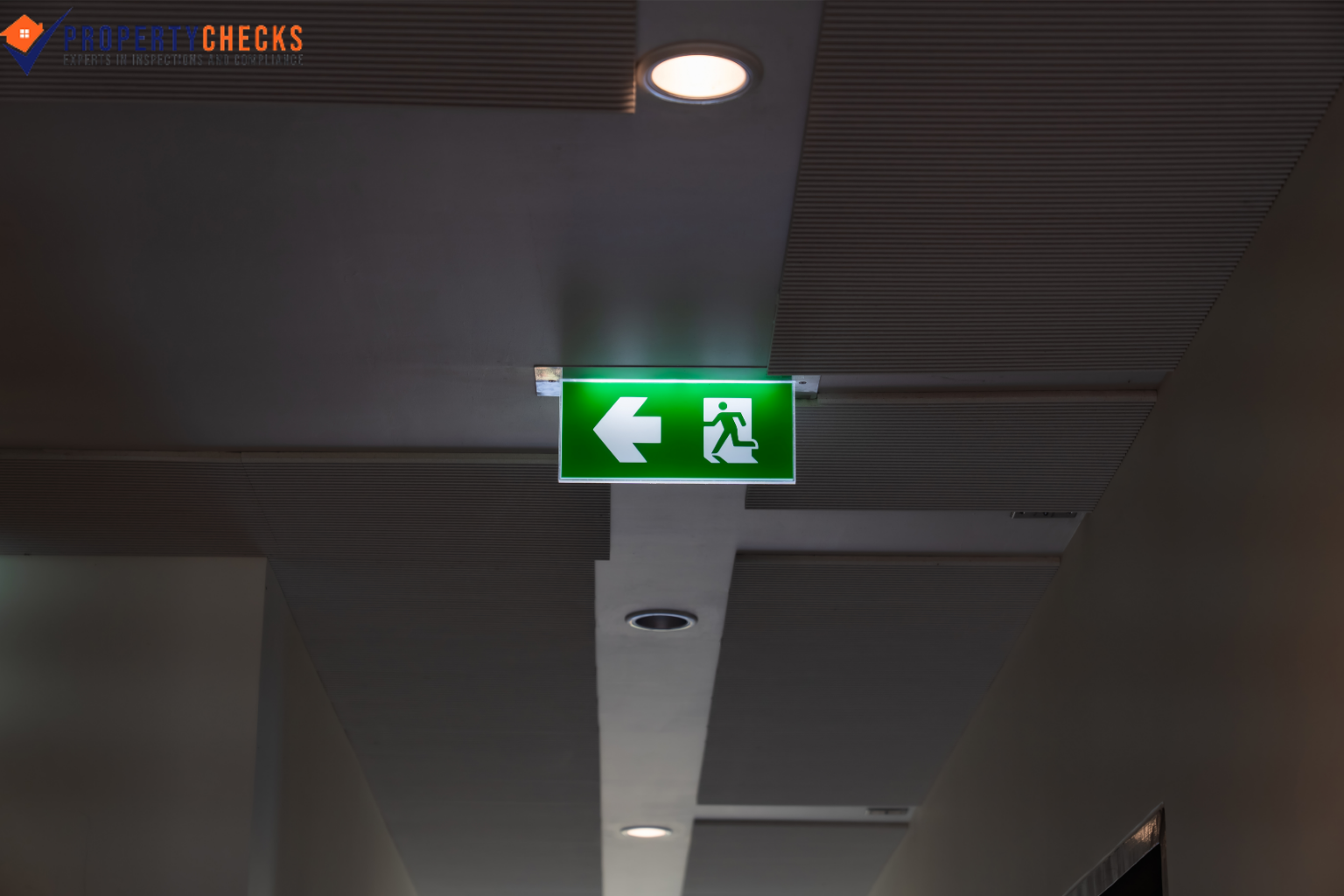
Emergency lighting refers to lighting that activates automatically when the normal power supply fails. These systems are designed to illuminate escape routes, exits, and key areas of a building so occupants can leave safely.
Unlike standard lighting, emergency lighting operates independently of the building’s main electrical supply. Most systems contain battery backup or separate circuits that activate when power is lost. This ensures that critical areas remain visible during an emergency.
Emergency lighting is particularly important in buildings with complex layouts, shared spaces, or areas where natural light is limited.
Why Emergency Lighting Is Important in Buildings
During an emergency such as a fire or power outage, visibility can quickly become a major concern. Darkness, smoke, and unfamiliar layouts may make it difficult for occupants to locate exits.
Emergency lighting helps address these challenges by providing illumination along escape routes. It helps occupants move safely and reduces the likelihood of panic or injury during evacuation.
Emergency lighting also assists emergency responders by providing visibility in areas where normal lighting is unavailable.
Types of Emergency Lighting Systems
Emergency lighting systems are designed to suit different building environments. Understanding the types of systems commonly used helps property owners determine what may be appropriate for their property.
Escape Route Lighting
Escape route lighting ensures that corridors, stairwells, and other exit pathways remain illuminated during power failure. This type of lighting guides occupants toward safe exits and helps prevent confusion during evacuation.
Open Area Lighting
Open area lighting is installed in larger spaces where people may gather, such as reception areas, office floors, or communal rooms. The purpose is to prevent panic by providing sufficient light for occupants to orient themselves and locate exits.
High Risk Task Lighting
In certain workplaces where hazardous equipment is used, emergency lighting may be installed to allow processes to be shut down safely during power interruption.
Each type of lighting supports safe evacuation by addressing different building layouts and usage patterns.
Emergency Lighting Installation and UK Building Safety
Emergency lighting installation plays an important role in maintaining safe environments within many commercial and shared buildings in the UK. While requirements vary depending on property type, emergency lighting is commonly expected in buildings with public access or communal areas.
Properties where emergency lighting may be appropriate include:
- Commercial offices
- Retail premises
- Residential buildings with shared corridors
- Hotels and hospitality venues
- Educational facilities
- Healthcare buildings
The goal of emergency lighting installation is not simply compliance but ensuring that people can leave the building safely if an emergency occurs.
Where Emergency Lighting Is Typically Installed
The effectiveness of emergency lighting depends largely on its placement. Strategic installation ensures that key areas remain illuminated during an emergency.
Common installation locations include:
- Staircases and stair landings
- Corridors and passageways
- Exit doors and escape routes
- Changes in floor level
- Intersections of escape routes
- Large open areas
Proper positioning ensures that occupants can follow a clear path toward exits without obstruction or confusion.
How Emergency Lighting Systems Work
Emergency lighting systems are designed to activate automatically when the main power supply fails. The transition from normal lighting to emergency lighting is typically immediate, ensuring that occupants are not left in darkness.
Most emergency lighting units contain rechargeable batteries that charge while the building’s electrical supply is active. When the supply fails, the battery powers the lighting unit for a specific period.
This battery backup system allows emergency lighting to operate independently of the building’s electrical network.
Emergency Lighting Installation in Residential Buildings
While emergency lighting is often associated with commercial premises, it also plays a role in residential properties that include communal areas.
In residential buildings with shared corridors, staircases, or underground parking areas, emergency lighting helps ensure safe evacuation for occupants.
Proper emergency lighting installation supports visibility in these shared areas and contributes to overall building safety.
Emergency Lighting in Commercial Properties
Commercial properties often rely on emergency lighting to support safe evacuation during power failures. Offices, shops, and industrial premises may contain large floor areas or complex layouts where visibility becomes critical during emergencies.
Emergency lighting installation in commercial buildings helps guide staff and visitors toward exits while reducing disruption and confusion.
Regular maintenance and testing ensure that systems remain reliable when needed.
Emergency Lighting Installation and Fire Safety
Emergency lighting systems are closely connected with broader fire safety measures. In many buildings, emergency lighting works alongside fire alarms, smoke detection systems, and clearly marked escape routes.
When these elements function together, they create a coordinated response that improves evacuation efficiency and reduces risk.
Emergency lighting installation therefore supports the overall fire safety strategy of a building rather than acting as a standalone feature.
Importance of Emergency Lighting Testing
Installation alone does not guarantee long-term reliability. Emergency lighting systems require periodic testing to confirm that they function correctly.
Testing typically involves simulating a power failure to ensure that emergency lights activate and remain illuminated for the required duration. Visual inspections also help identify issues such as damaged units, depleted batteries, or obstructed light fittings.
Regular testing ensures that emergency lighting remains dependable over time.
Common Issues Found During Emergency Lighting Inspections
Routine inspections often identify minor issues that could affect performance if left unaddressed.
These may include:
- Battery degradation
- Blocked or damaged light fittings
- Faulty charging circuits
- Poor positioning of units
- Inadequate coverage of escape routes
Addressing these issues early helps maintain consistent performance and ensures that systems function as intended.
Emergency Lighting Installation During Renovations
Building renovations or layout changes may affect the effectiveness of existing emergency lighting systems. Altered escape routes, new partitions, or expanded floor areas may require adjustments to lighting placement.
Reviewing emergency lighting installation during refurbishment projects helps ensure that lighting coverage remains appropriate for the updated layout.
Emergency Lighting and Occupant Confidence
Occupants often take safety systems for granted until an emergency occurs. Knowing that emergency lighting systems are present and maintained can provide reassurance to tenants, employees, and visitors.
Visible lighting along escape routes signals that safety has been considered during building design and management.
Emergency Lighting as Part of Property Management
Emergency lighting installation should be considered part of a broader property management strategy. When combined with fire risk assessments, electrical inspections, and alarm systems, emergency lighting contributes to a coordinated approach to safety.
Property owners who manage these elements together often find it easier to maintain compliance and plan upgrades effectively.
Long-Term Benefits of Emergency Lighting Installation
Investing in proper emergency lighting installation provides lasting advantages for property owners and occupants.
- Improved evacuation safety
- Reduced confusion during emergencies
- Enhanced visibility for responders
- Better coordination with fire safety systems
- Greater confidence in building safety measures
These benefits make emergency lighting a valuable component of responsible property management.
Frequently Asked Questions
How long should emergency lighting operate during a power failure
Most systems are designed to operate for a minimum period after power loss, allowing sufficient time for evacuation.
Does emergency lighting require regular testing
Yes. Periodic testing helps confirm that lights activate correctly and remain operational when needed.
Can emergency lighting be installed in existing buildings
Yes. Emergency lighting systems can usually be installed or upgraded in both new and older buildings.
Is emergency lighting only for commercial buildings
While commonly found in commercial premises, emergency lighting is also relevant in residential buildings with communal areas.
What happens if emergency lighting fails
Faulty units should be repaired or replaced promptly to ensure that the system remains reliable.
Conclusion
Emergency lighting installation plays an important role in supporting safe evacuation during power failures and emergencies. By illuminating escape routes and key areas, these systems help occupants move safely and reduce confusion in stressful situations.
For property owners, emergency lighting is not simply a technical requirement but an essential part of responsible building management. When properly installed and maintained, it contributes to safer environments and more reliable emergency preparedness.
Property Checks offers emergency lighting installation in the UK, supporting landlords, businesses, and property managers in maintaining dependable lighting systems as part of a broader approach to building safety.