
Electrical safety is one of the most important aspects of managing a residential property. Whether you are a landlord, homeowner, or property investor, ensuring that the electrical installation in a home is safe and well maintained protects both the occupants and the building itself. Over time, electrical systems can deteriorate, become overloaded, or fall behind modern safety expectations.
This is where a residential EICR plays a vital role. Often referred to alongside the Residential Electrical Safety Certificate, an EICR helps property owners understand the condition of their electrical installation and identify issues before they develop into serious hazards.
This guide explains what a residential EICR is, why it matters, how it works, and how it fits into responsible property ownership. It is written in clear, practical language to help homeowners and landlords make informed decisions without unnecessary technical detail.
What Is a Residential EICR?
A residential EICR, or Electrical Installation Condition Report, is an assessment of the fixed electrical installation within a home. It examines the condition of wiring, sockets, switches, consumer units, and protective devices to determine whether the system is safe for continued use.
Following the inspection and testing process, the findings are documented in a formal report. This report is commonly referred to as a Residential Electrical Safety Certificate, although technically it is a condition report rather than a pass or fail certificate.
The purpose of a residential EICR is to highlight any issues that could pose a risk, recommend improvements where appropriate, and provide a clear record of the electrical installation’s condition at the time of inspection.
Why Electrical Safety Matters in Residential Properties
Electrical systems are used constantly in homes. From lighting and heating to kitchen appliances and electronic devices, modern living places significant demands on electrical installations. When systems are poorly maintained or outdated, the risk of faults increases.
Electrical issues can lead to:
- Electric shock
- Fire hazards
- Damage to appliances
- Power outages
- Unexpected repair costs
Many electrical problems develop gradually and may not be obvious until a fault occurs. A residential EICR helps identify these issues early, reducing the likelihood of serious incidents.
What Does a Residential EICR Cover?
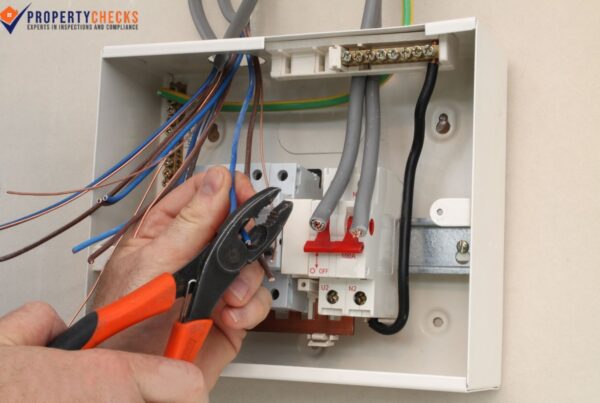
A residential EICR focuses on the fixed electrical installation rather than portable appliances. During the inspection, the electrician will typically assess:
- The condition of electrical wiring
- Sockets and switches
- Lighting circuits
- Consumer units and fuse boards
- Earthing and bonding arrangements
- Protective devices such as circuit breakers
- Signs of overheating, wear, or damage
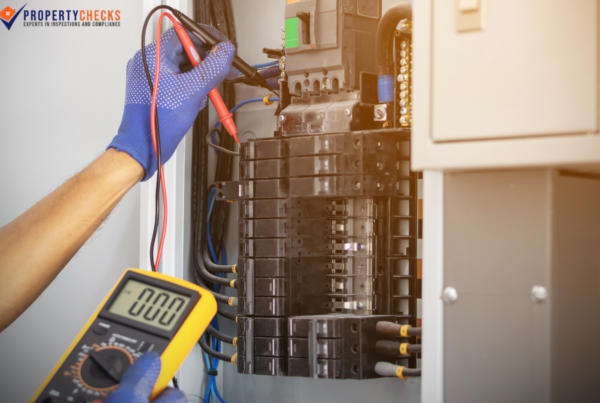
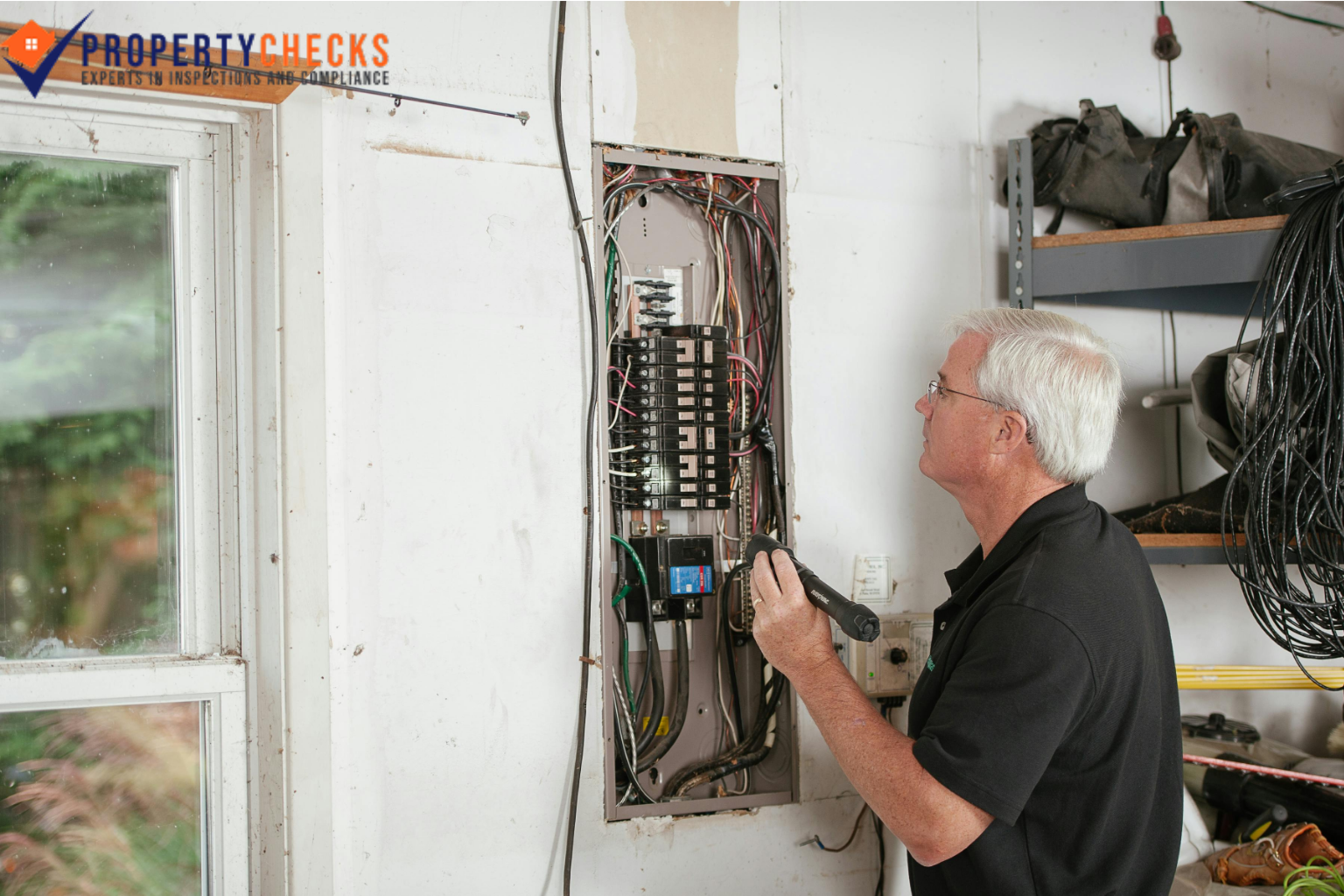
The inspection includes both visual checks and electrical testing to identify issues that may not be visible to the naked eye.
Understanding Residential Electrical Safety Certificates
The term Residential Electrical Safety Certificate is commonly used to describe the documentation provided after an EICR has been completed. While it is not a traditional certificate that confirms a pass or fail, it serves as formal evidence that an electrical safety inspection has taken place.
The report provides:
- A summary of the installation’s condition
- Details of any observed issues
- Safety classifications for each issue
- Recommendations for action or improvement
- A suggested timeframe for the next inspection
For landlords, this documentation is particularly important as it demonstrates that reasonable steps have been taken to manage electrical safety.
Who Needs a Residential EICR?
A residential EICR is relevant for a wide range of property owners.
Landlords
For landlords, residential EICRs play a key role in meeting electrical safety responsibilities. Many rental properties require regular electrical inspections, and EICRs help landlords understand whether their installations remain safe for tenants.
Homeowners
Homeowners may choose to have a residential EICR carried out for peace of mind, especially in older properties or homes that have undergone multiple alterations over the years.
Property Buyers and Sellers
EICRs are often commissioned during property transactions. Buyers may request an inspection to understand the condition of the electrical system before completing a purchase.
Property Investors
Investors managing multiple residential properties benefit from consistent electrical safety checks, helping them plan maintenance and avoid unexpected costs.
Is a Residential EICR a Legal Requirement?
Whether a residential EICR is legally required depends on the property type and how it is used. In many rented properties, electrical safety inspections are required at regular intervals. In owner occupied homes, EICRs are not mandatory but are widely recommended as good practice.
Local authority requirements, insurance conditions, or tenancy agreements may also influence whether an EICR is expected. While not every home is legally required to have an EICR, it is increasingly recognised as an essential part of responsible property management.
How Often Should a Residential EICR Be Carried Out?
The recommended frequency of residential EICRs varies depending on the property.
Typical guidance includes:
- Every five years for rented residential properties
- At change of tenancy where applicable
- Every ten years for owner occupied homes
- More frequently in older properties or those with heavy electrical usage
The electrician will usually include a recommended inspection interval on the report, based on the condition of the installation.
Understanding EICR Classification Codes
One of the most important parts of a residential EICR is the classification system used to describe observed issues. These codes help property owners understand the level of urgency associated with each finding.
Code C1
C1 indicates a danger that presents an immediate risk. Urgent action is required to reduce the hazard.
Code C2
C2 highlights a potentially dangerous issue that should be addressed promptly, even if there is no immediate danger.
Code C3
C3 items are recommendations for improvement. These do not indicate that the installation is unsafe but suggest upgrades to meet current safety standards.
FI
FI means further investigation is needed to determine the extent or cause of an issue.
Understanding these codes helps owners prioritise work sensibly rather than assuming all observations require immediate action.
What Happens If a Residential EICR Identifies Issues?
If issues are identified during a residential EICR, the report will outline recommended actions. Not all findings require immediate repair. Some may be advisory, while others may need attention within a reasonable timeframe.
For landlords, addressing certain issues may be necessary before a property can be let or re let. Once remedial work is completed, confirmation can be provided to show that the electrical installation meets safety expectations.
Preparing for a Residential EICR Inspection
Good preparation helps the inspection run smoothly and reduces disruption.
Property owners should:
- Ensure access to all rooms and electrical points
- Provide previous electrical reports if available
- Inform occupants of the inspection
- Highlight any known electrical issues
Clear access allows the electrician to carry out a thorough and accurate assessment.
Residential EICR vs PAT Testing
Residential EICRs are often confused with PAT testing, but they serve different purposes.
A residential EICR assesses the fixed electrical installation, such as wiring and sockets. PAT testing applies to portable electrical appliances that can be unplugged, such as kettles or lamps.
In most residential settings, the EICR is the primary focus for electrical safety. PAT testing may be relevant in furnished rental properties where appliances are provided.
Residential EICRs in Older Homes
Older homes often present unique challenges when it comes to electrical safety. Wiring standards have evolved significantly over time, and older installations may not meet current expectations.
Common issues in older properties include:
- Outdated wiring systems
- Lack of modern protective devices
- Inadequate earthing
- Overloaded circuits
A residential EICR helps identify these issues and supports informed decisions about upgrades or maintenance.
How Residential EICRs Support Fire Safety
Electrical faults are a common cause of domestic fires. By identifying issues such as overheating cables or faulty protective devices, residential EICRs help reduce fire risk.
While an EICR is not a fire safety assessment, it plays an important role in the overall safety strategy of a home.
Insurance and Residential Electrical Safety Certificates
Many insurers expect property owners to take reasonable steps to manage electrical risk. While requirements vary, having a recent residential EICR can support insurance discussions and claims by demonstrating proactive maintenance.
Clear documentation provides evidence that the electrical system has been professionally assessed.
Choosing a Provider for a Residential EICR
Selecting a qualified and experienced electrician is essential. A professional residential EICR should result in a clear, easy to understand report rather than a confusing technical document.
Property owners benefit most when findings are explained in plain language and recommendations are practical and proportionate.
How Residential EICRs Fit Into Property Compliance
Electrical safety is one part of wider property compliance. Alongside gas safety checks, fire safety measures, and general maintenance, residential EICRs contribute to a structured approach to managing risk.
When inspections are coordinated, property owners gain a clearer overview of their responsibilities and can plan maintenance more effectively.
Common Misconceptions About Residential EICRs
Many people assume that a failed EICR means a property cannot be occupied. In reality, the outcome depends on the nature of the issues identified.
Others believe that a new looking property does not require inspection. However, appearance alone does not guarantee electrical safety.
Understanding what a residential EICR actually does helps owners make informed decisions without unnecessary concern.
Benefits of Regular Residential Electrical Inspections
Regular residential EICRs offer several long term benefits.
- They help prevent emergencies
- They support predictable maintenance planning
- They improve tenant confidence
- They reduce the likelihood of costly repairs
- They provide peace of mind for owners
Consistent inspections make electrical safety easier to manage over time.
Frequently Asked Questions
What is the difference between a residential EICR and an electrical certificate?
A residential EICR assesses the condition of an existing installation, while an electrical certificate is usually issued after new electrical work is completed.
How long does a residential EICR take?
The duration depends on property size and complexity. Most inspections take several hours.
Does a residential EICR disrupt occupants?
There may be brief power interruptions during testing, but disruption is usually minimal.
Can a homeowner fail a residential EICR?
EICRs do not operate on a simple pass or fail basis. The report identifies issues and classifies their severity.
Is a residential EICR required for new builds?
New builds typically have certification for new electrical work, but EICRs may still be useful over time.
Conclusion
A residential EICR is an essential tool for understanding the safety and condition of a home’s electrical installation. Whether you are a landlord, homeowner, or investor, a Residential Electrical Safety Certificate provides clarity, reassurance, and practical guidance for managing electrical safety responsibly.
Rather than viewing EICRs as a burden, they should be seen as a proactive step toward protecting occupants, preserving property value, and reducing long term risk.
Regular electrical inspections support safer homes, smoother property management, and greater peace of mind for everyone involved.