
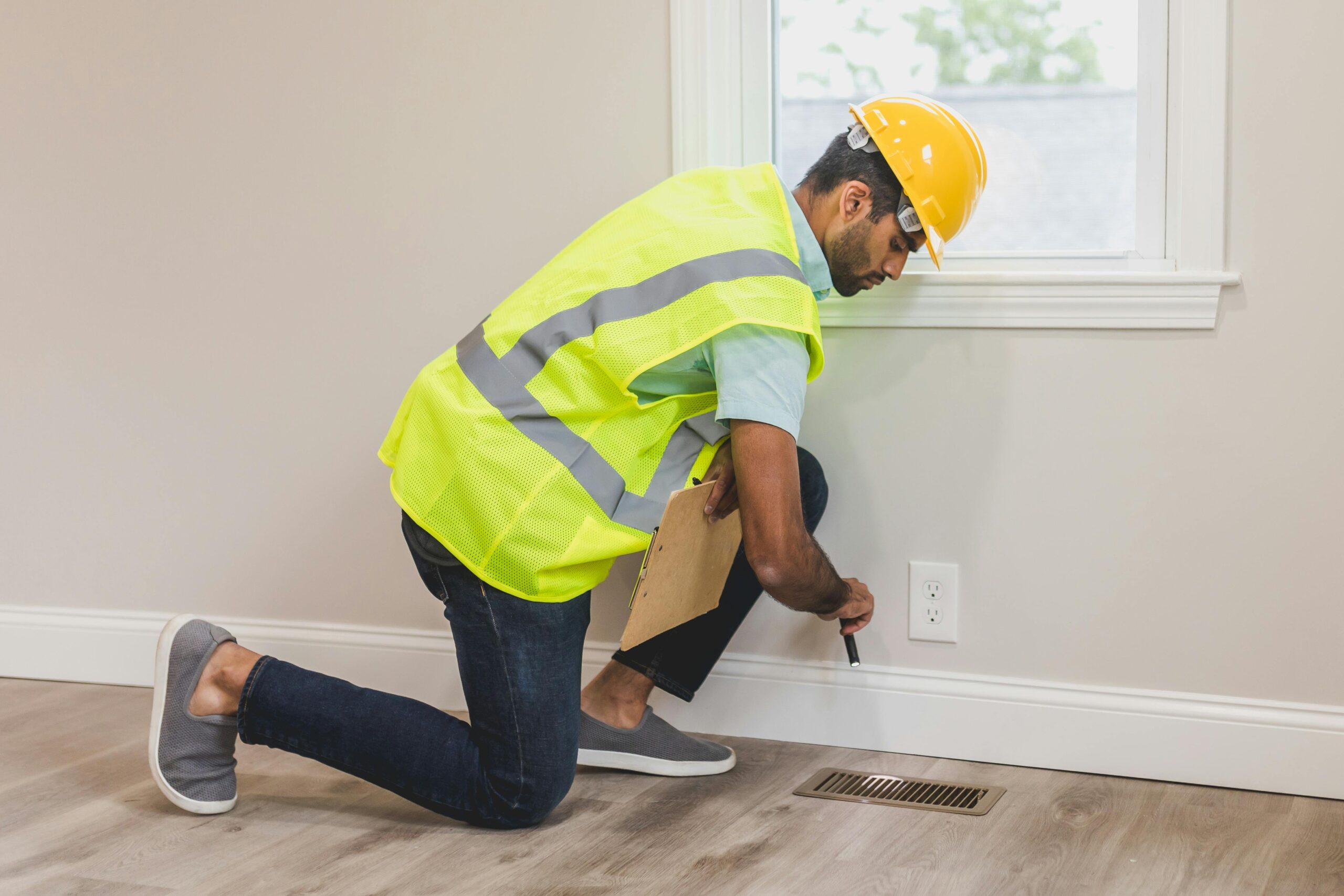

Property compliance is an essential part of owning or managing any building. It helps ensure that properties remain safe, functional, and suitable for occupation while reducing long term risk. For landlords and property owners, compliance is not about paperwork alone. It is about maintaining confidence that a building is being cared for properly and responsibly.
This guide explains what property compliance involves, how it relates to fire safety, electrical safety, and gas safety, and how owners can take a structured and practical approach to managing their responsibilities.
What Property Compliance Means in Practice
Property compliance refers to the steps taken to ensure a building meets relevant safety expectations and is managed responsibly. These expectations differ depending on the type of property, how it is used, and who occupies it.
Compliance is not a single checklist that applies to every building. Instead, it is a framework that helps owners understand what safety measures are appropriate for their specific property and situation.
Factors that influence compliance include:
- The age and construction of the building
- Whether the property is rented or owner occupied
- The presence of shared or communal areas
- The type of occupancy and number of occupants
Understanding these factors allows owners to focus on what matters most rather than applying unnecessary measures.
Why Property Compliance Matters
Protecting Occupants and Visitors
At its core, compliance supports safety. Well maintained properties reduce the likelihood of incidents such as electrical faults, fire risks, or unsafe living conditions. Even small preventative actions can significantly reduce long term risk.
Supporting Responsible Ownership
Property owners have a responsibility to act reasonably and proactively. Maintaining compliance demonstrates a commitment to safety and good management, particularly in rented or shared properties.
Preserving Long Term Value
Regular checks help identify issues early. This prevents small defects from becoming major repair costs and helps preserve the overall condition and value of the property.
Supporting Confidence and Trust
Tenants and occupants are more confident when they know their living or working environment is properly managed. Clear compliance processes support better relationships and fewer disputes.
Fire Safety Considerations
Fire safety is a key element of property compliance, especially in buildings with shared access or commercial use.
Understanding Fire Safety Responsibilities
Fire safety responsibilities vary depending on how the property is used. In general, owners should take reasonable steps to identify potential fire risks, reduce hazards, and ensure that safe escape routes are available.
Fire safety is not a one time exercise. It should be reviewed whenever a property changes or is adapted.
Fire Risk Assessments
A fire risk assessment reviews the building to identify potential fire hazards and evaluate whether existing safety measures are suitable. It considers factors such as fire detection, escape routes, and the layout of the property.
In many cases, a fire risk assessment confirms that existing measures are adequate. In others, it may highlight areas for improvement.
Fire Doors, Alarms, and Emergency Lighting
Fire doors help slow the spread of smoke and flames. Smoke and heat alarms provide early warning. Emergency lighting supports safe exit if power is lost.
Not all properties require every measure, but where these features exist they should be kept in good working condition.
Electrical Safety and Compliance
Electrical safety is another essential part of managing a property responsibly.
Why Electrical Safety Matters
Electrical faults can develop gradually and may not be immediately obvious. Loose connections, ageing wiring, or outdated consumer units can present risks if left unaddressed.
Electrical Installation Condition Reports
An Electrical Installation Condition Report assesses whether a property’s fixed wiring is safe for continued use. It highlights issues that may require attention and supports informed maintenance planning.
Portable Appliance Testing
Portable appliance testing may be appropriate where electrical appliances are provided as part of a tenancy or in commercial settings. It helps ensure appliances are safe to use and in good condition.
Fuse Boards and Consumer Units
Older fuse boxes may no longer meet modern safety expectations. In some cases, upgrading to a newer consumer unit improves protection and reliability.
Gas Safety Responsibilities
Gas safety is a key area of compliance for properties with gas appliances.
Gas Safety Checks
Gas safety checks help ensure appliances operate correctly and safely. These checks help identify potential issues such as leaks or ventilation problems.
Carbon Monoxide Awareness
Carbon monoxide alarms provide an important early warning. Where required, they should be installed and maintained according to guidance.
How Compliance Works Together
Property compliance works best when safety areas are managed together rather than in isolation. Coordinated inspections and record keeping allow property owners to see the full picture and make informed decisions.
This approach helps reduce unexpected repairs and supports smoother long term management.
Common Challenges for Property Owners
Keeping Track of Requirements
With different checks required at different times, it can be challenging to stay organised. Many owners benefit from keeping a simple compliance schedule.
Understanding What Applies to Each Property
Not every property requires the same level of oversight. Knowing which rules apply helps avoid unnecessary work while maintaining safety.
Coordinating Access
Arranging access for inspections while respecting tenants can be challenging, especially in occupied properties.
Long Term Benefits of Good Compliance
Strong compliance practices offer long term benefits including:
- Reduced emergency repairs
- Improved tenant confidence
- Clearer maintenance planning
- Stronger asset performance
- Greater peace of mind
Well managed properties tend to perform better financially and operationally over time.
Final Thoughts
Property compliance is about awareness, planning, and consistency. By understanding responsibilities and taking a structured approach to safety, property owners can protect their investments and support those who live or work in their buildings.
For landlords and property managers seeking dependable support, Property Checks offers practical services designed to make compliance clear and manageable.