
Portable Appliance Testing (PAT)

Portable Appliance Testing, commonly known as PAT Test, is a critical aspect of ensuring safety in workplaces and homes. With the increasing reliance on electrical devices, it’s imperative to conduct regular PAT Tests to prevent potential hazards. In this article, we delve into the significance of PAT Testing and how it contributes to a secure environment.

IMPORTANCE

Why Is PAT Test Necessary?

Compliance with Regulations:
Many countries have regulations in place that mandate regular PAT Testing, especially in commercial settings. Ensuring compliance not only avoids legal issues but also demonstrates a commitment to safety.

Preventing Accidents:
Faulty electrical appliances can pose serious threats, ranging from minor shocks to life-threatening accidents. PAT Testing minimizes these risks by identifying and rectifying issues before they escalate.

Maintaining Reputation:
For businesses, safety is a cornerstone of their reputation. Customers, employees, and stakeholders place trust in companies that prioritize their well-being. Regular PAT Testing showcases responsibility and care.

GUIDELINES

When Should PAT Test Be Done?

Class I Appliances

These include appliances with earthed metal components like kettles and irons. They should undergo PAT Testing every 1-2 years.

Class II Appliances

These have double insulation and include devices like televisions and laptops. They should be tested every 2-4 years.

Portable Appliances

Devices that can be moved, like extension cords, should be tested every 6 months.

OUR PAT TESTING PROCESS

Portable Appliance
Test at Right
Compliance

Faulty electrical appliances can lead to electric shocks, fires, and other life-threatening incidents. By undergoing regular PAT Testing, you’re taking a proactive approach to risk management and ensuring the well-being of everyone in your space.

Scheduling:
We work around your convenience to schedule PAT Testing at a time that suits you best.

Thorough Inspections:
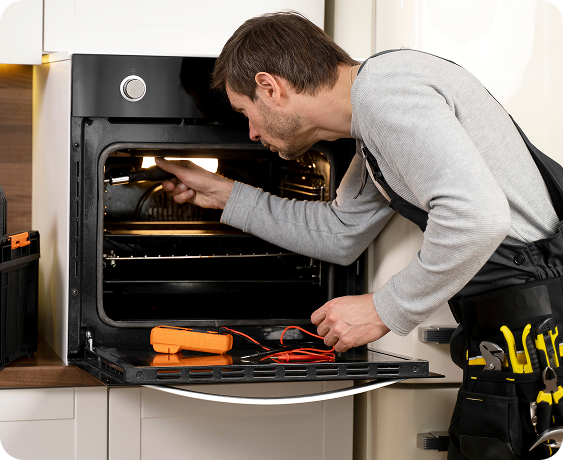
Our experts conduct thorough examinations of each appliance, checking for wear and tear, faulty wiring, and other potential issues.

Testing Equipment:
We use specialized equipment to perform tests that assess the integrity and safety of your appliances.

Reports and Recommendations:
After the testing is complete, we provide detailed reports of our findings. If any issues are detected, we offer recommendations for repairs or replacements.

Why It’s Important

Why do we Need PAT
(Portable Appliance Testing)?

We need it because it is essential to avoid danger. Hence the legislation only requires employers to guarantee that their electrical equipment is maintained correctly.

Request PAT Testing Service
FAQ

Frequently Asked Questions

Is PAT Testing a legal requirement in the UK?

There is no single law that states PAT Testing must be carried out, but several UK regulations require employers and duty holders to maintain electrical equipment in a safe condition. The Electricity at Work Regulations 1989, the Health and Safety at Work Act 1974 and the Provision and Use of Work Equipment Regulations (PUWER) all place a legal duty on businesses to keep portable appliances safe. PAT Testing is the recognised method for proving compliance.

How often should PAT Testing be carried out?

The recommended frequency depends on the type of appliance and the environment it is used in.

• High-risk or heavily used equipment may need testing every 6 months.

• Class I appliances like kettles, heaters and tools are usually tested every 1–2 years.

• Class II appliances such as laptops and TVs may be tested every 2–4 years.

Your technician will advise the correct interval based on usage and risk level.

What appliances need PAT Testing?

Any item that plugs into a socket or can be moved, including extension leads, kitchen appliances, office equipment, power tools, heaters, chargers, and cleaning equipment. Both Class I and Class II appliances should be included. Fixed appliances that are hard-wired may require different inspection methods.

What happens if an appliance fails the PAT Test?

If an appliance is unsafe, it must be removed from use immediately. Your report will show the fault and the recommended action. In many cases, issues can be resolved with simple repairs, new plugs, cable replacements or internal fixes. If the appliance cannot be repaired economically, it must be replaced.

Who is allowed to carry out PAT Testing?

PAT Testing should be completed by a competent person who understands electrical safety, testing equipment and how to interpret test results. Using a trained PAT Technician ensures accurate testing, proper classification of faults and a valid compliance report for audits, insurers and safety checks.