

Landlords in the UK are legally required to ensure that electrical installations in rental properties are inspected and certified. In 2025, understanding EICR certificate costs, legal timing requirements and compliance risk factors will help landlords protect tenants, maintain insurance and avoid penalties.
What Is an EICR and Why It Matters
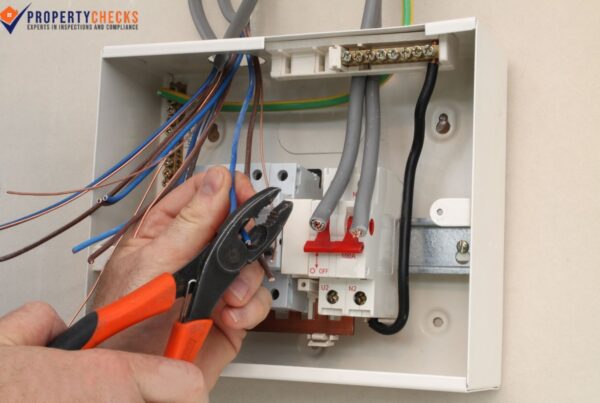
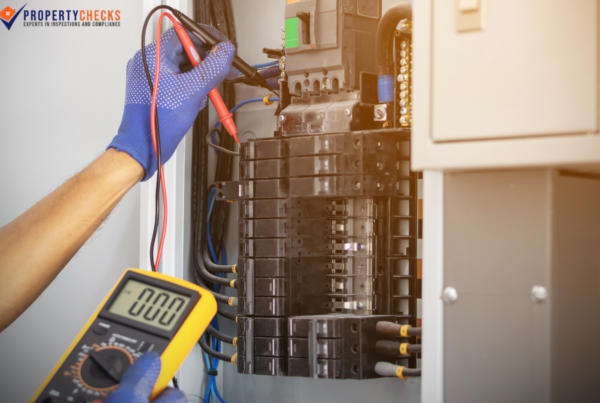
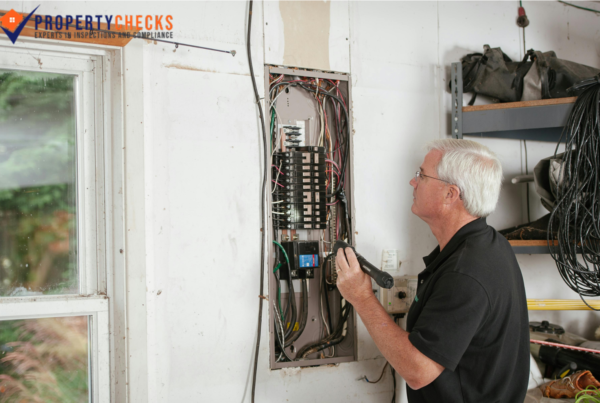
An Electrical Installation Condition Report (EICR) is a detailed inspection of a property’s fixed electrical system, performed by a qualified electrician. It checks wiring, fuse boards, circuits, sockets and earthing. Landlords must obtain an EICR every five years or upon tenancy commencement or change. Reports must be provided to existing tenants within 28 days and to new tenants before moving in; local authorities may request a copy within seven days. Failure to issue a valid report may result in fines of up to £30,000.
EICR Certificate Costs in 2025: Residential Properties
Typical cost ranges for domestic EICR in 2025 are:
- Standard one-bedroom homes: £60–£150, depending on location and complexity
- Larger three-bedroom homes: £200–£250
- Premium London rates: £100–£400, with many reports priced between £200–£300
EICR Costs for Commercial Properties
Commercial installations are commonly billed per circuit:
- Typical rates: £30–£50 per circuit
- Resulting costs increase with complexity and number of circuits
- Full building inspections may range from £200–£500+, depending on scale and configuration
Factors Influencing EICR Pricing in 2025
- Number of circuits and consumer unit complexity: more circuits equate to longer inspection times and higher costs.
- Location: London and South East properties cost more due to labour rates.
- Age and condition of wiring: older systems may require more extensive testing.
- Urgency: same-day or fast-tracked inspections may include a premium.
- Remedial work: Faults classified C1 or C2 require corrective work, which incurs additional expense.
Legal Timing Requirements
- EICRs are required at least every five years, or earlier if faults are found.
- Reports must be provided to existing tenants within 28 days, and to new tenants before occupancy begins.
- On request, landlords must supply the EICR to local authorities within seven days.
- C1 (danger present) or C2 (potentially dangerous) faults must be rectified promptly, typically within 28 days.
Best Practices for Landlords in 2025
- Engage qualified electricians (e.g., NICEIC or NAPIT registered).
- Clarify pricing and report specifics with each quote. Avoid unusually low quotes (<£100), which may indicate omissions.
- Schedule inspections before tenancy changes or before the five-year deadline.
- Keep digital records of EICRs, faults, and remedial actions for compliance and insurance.
- Plan for potential corrective works and re-inspections within the compliance period.
Cost Summary Table
| Property Type | Typical EICR Cost 2025 |
| Studio/one-bed flat (not London) | £60–£150 |
| Two–three-bed house | £100–£250 |
| Larger homes or premium London | £200–£400+ |
| Commercial premises | £30–£50 per circuit → £200–£500+ |
Conclusion
In 2025, securing an EICR certificate is essential for UK landlords. Costs vary according to location, property size and circuit complexity. Budgeting accurately and engaging reputable electricians ensures compliance, enhances tenant safety and preserves landlord insurance and legal standing.
Arrange Your EICR with Property Checks
Property Checks provides accredited EICR services with transparent pricing and digital certification. Our inspections comply with all 2025 legal deadlines and include thorough digital reports. Contact us today for a free, bespoke quotation that ensures 2025 compliance and tenant protection.