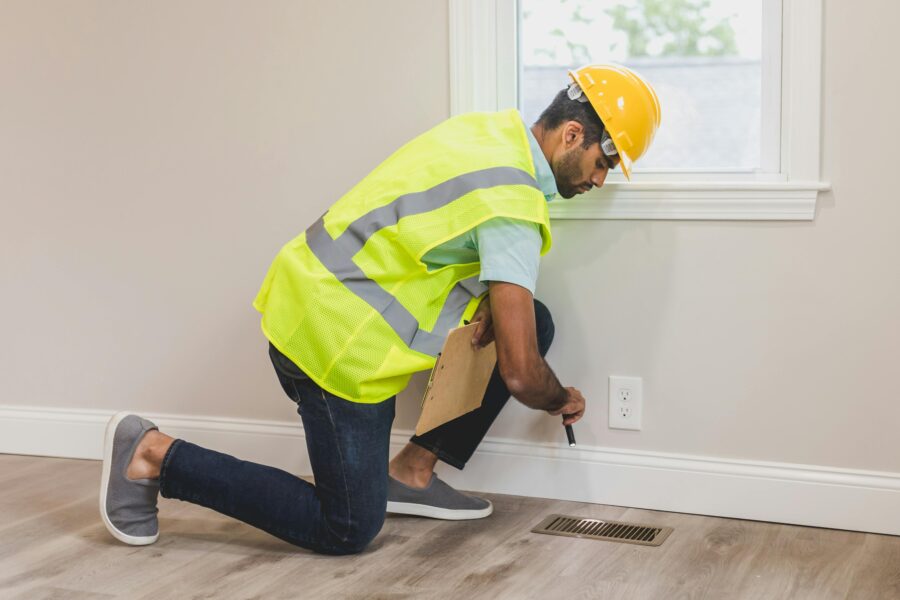


Managing property requires more than simply responding to problems when they arise. The most successful landlords and property owners follow a proactive approach, and property inspections sit at the heart of that strategy. Inspections help landlords understand how their property is performing, highlight emerging issues before they become urgent repairs, and provide peace of mind that safety responsibilities are being met.
This guide expands on everything landlords, owners, and managing agents need to know about inspections, including how they work, what they cover, how often they should be carried out, and most importantly, how they help protect both your investment and your tenants. The tone here remains straightforward and practical, aligned with UK compliance expectations and the real world of property management.
What Is a Property Inspection?
A property inspection is a structured review of a building’s condition, safety features, and basic compliance indicators. The purpose is to identify maintenance needs early, ensure the property remains safe for tenants, and keep landlords aware of anything that may require attention.
An inspection typically involves looking at:
- The visible condition of the structure
- Plumbing fixtures and heating function
- Electrical components such as switches, sockets, and alarms
- Signs of damp, mould, condensation, leaks, or water ingress
- Tenant use of the property
- Ventilation and airflow
- Potential safety concerns for the occupants
Unlike a casual check, a proper inspection is documented and guided by a clear process. It doesn’t require intrusive testing or specialist equipment unless further assessment is advised.
The primary goal is awareness: inspections give landlords a clear view of the property’s current state so they can make informed decisions about repairs, safety, and long-term planning.
Why Regular Inspections Matter
Inspections matter because they serve as an early-warning system. They help catch issues long before they become disruptive or expensive, and they allow landlords to maintain a comfortable and safe living environment for tenants.
Below are the key benefits, explained in greater depth.
Protecting the Value of Your Investment
Property is a long-term asset, and preserving its condition is one of the most effective ways to maintain, and often increase, its value. Regular inspections help landlords:
- Spot maintenance issues before they escalate
- Prevent damp, leaks, and structural deterioration
- Identify tenant-caused damage early
- Understand areas that may require future planning
For example, a minor leak around a bath seal may seem harmless in the early stages, but left unattended it can lead to rotting floors, damaged plasterwork, or mould growth. What could have been a £30 repair becomes a £1,000 reinstatement job.
Inspections also help landlords monitor the general wear of components such as flooring, worktops, boiler performance, window seals, and rooflines. Understanding these patterns helps owners budget intelligently, plan refurbishments, and maintain a property that appeals to quality tenants.
Supporting Safety and Compliance
UK landlords are expected to provide a safe living environment for tenants. Requirements vary depending on property type, age, licensing conditions, and whether the building includes shared or communal areas.
Routine inspections help monitor items that may affect compliance, such as:
- Smoke and heat alarms
- Carbon monoxide alarms in appropriate rooms
- Electrical safety condition
- Gas appliance safety
- Fire doors or emergency lighting in relevant buildings
- Safe escape routes in multi-unit or licensed buildings
Each of these responsibilities comes with its own rules, depending on the property type. Inspections do not replace legally required checks such as:
- Gas Safety Checks (CP12)
- EICR – Electrical Installation Condition Reports
- Fire Risk Assessment
However, inspections can highlight issues that may suggest one of these assessments is due or that maintenance is needed.
This approach helps landlords stay ahead of potential risks rather than discovering them only during mandatory safety assessments.
Building Stronger Tenant Relationships
Tenants generally appreciate proactive and respectful management. When a landlord demonstrates care for the property, tenants are more likely to:
- Report issues sooner
- Maintain the property responsibly
- Renew their tenancy
- Stick to the terms of their agreement
Routine inspections are an important part of the landlord–tenant relationship. They show tenants that the landlord is paying attention to the condition of the home and taking steps to keep it comfortable and safe.
In cases where tenants may be hesitant to report problems, perhaps to avoid blame, regular inspections ensure nothing goes unnoticed.
When communication is clear and inspections are carried out professionally, it helps build trust and leads to fewer disputes over wear, damage, or deposit deductions later on.
Types of Property Inspections Landlords Commonly Use
Landlords use different types of inspections depending on the stage of the tenancy and the needs of the property. Each plays a different role in long-term maintenance and compliance.
Move-In and Move-Out Inspections
Move-in inspections establish the property’s condition at the start of a tenancy. Move-out inspections compare the current condition with the documented starting point.
These inspections are valuable because:
- They help prevent deposit disputes
- They clarify expectations for both parties
- They hold tenants and landlords accountable to fair standards
A detailed inventory and schedule of condition, ideally with timestamped photographs, can save significant time and conflict later on.
Routine Mid-Tenancy Inspections
Routine inspections typically take place every 3–6 months, depending on the tenancy agreement and property risk level.
These inspections help landlords:
- Identify early signs of damp, condensation, or mould
- Check for adequate ventilation
- Monitor general cleanliness and care
- Ensure appliances are being used safely
- Look for structural concerns such as cracks or leaks
- Assess whether the property remains compliant with applicable safety requirements
The aim is not to “police” the tenant’s private life but to ensure the property is being maintained in a safe and responsible way.
Fire Safety Checks
Certain properties, such as HMOs, licensed buildings, mixed-use properties, or commercial spaces, may require dedicated fire safety checks.
Property Checks provides a focused range of fire safety services including:
- Fire Risk Assessments
- Fire Door Inspections
- Emergency Lighting Checks
- Smoke & Heat Alarm Installation
- Fire Extinguisher Servicing
These checks help determine whether the building has the correct safety measures in place based on its type, layout, and use.
A routine property inspection may identify issues that suggest a fire safety review is due, such as missing alarms, damaged fire doors, or poor escape route clearance.
Gas and Electrical Safety Checks
Gas and electrical inspections are essential for rental properties.
Gas Safety
Landlords must arrange an annual gas safety check through a Gas Safe engineer. Property Checks offers Gas Safety Certificates (CP12) to help landlords meet this requirement.
Electrical Safety
Most rented properties in the UK must undergo an EICR at least every five years. This checks whether the electrical installation remains safe for continued use.
Routine property inspections do not replace these checks, but they may highlight visible concerns, such as broken switches, loose socket plates, or missing alarms, that indicate the need for attention.
What a Professional Inspection Covers
A thorough property inspection covers a broad range of practical areas. Below is a more detailed breakdown of what landlords can expect.
Exterior Condition
Inspections begin with the outside of the property, as many internal issues originate from external deterioration.
This includes:
- Roof condition, including slipped tiles or blocked gutters
- Brickwork or render movement
- Condition of external pipes and drains
- Signs of water penetration
- Boundary condition such as fences or gates
Early identification of external problems prevents long-term structural impacts.
Internal Structure and Condition
A detailed internal examination helps identify anything that may affect the tenant’s safety, comfort, or long-term property value.
This may include:
- Cracks in ceilings or walls
- Peeling paint or discolouration from moisture
- Mould around windows, bathrooms, or cold spots
- Floor movement, loose boards, or damaged coverings
- Excessive condensation caused by lack of ventilation
The goal is to prevent these issues from becoming serious repair jobs.
Plumbing and Heating Function
Heating and plumbing issues can cause significant tenant discomfort and property damage.
Inspections may look for:
- Slow drainage
- Minor leaks around taps or fittings
- Radiators that are not heating evenly
- Visible pipe corrosion or damp areas
- Adequate ventilation around boilers
Where a concern is identified, landlords can then arrange professional servicing or repairs.
Electrical Condition
An inspection may highlight general electrical concerns even though detailed testing requires a qualified engineer.
Common visible issues include:
- Broken sockets
- Damaged switches
- Loose fittings
- Missing smoke or heat alarms
- Wiring insulation that appears worn
If issues are seen, an EICR or electrical repair may be advised.
Fire Safety Features
Depending on the building, inspections may consider:
- Alarm presence and accessibility
- Heat/noise damage to fire doors
- Clear escape routes
- Correct signage in communal areas
- Emergency lighting where required
These observations help landlords determine whether a fire risk assessment or other specialist service is needed.
How Often Should a Property Be Inspected?
Frequency depends on:
- The tenancy agreement
- Property age and condition
- Occupancy type
- Licensing requirements
- Landlord preference
Typical recommended frequencies:
- Routine rental inspections: Every 3–6 months
- Gas Safety: Annually
- EICR: Every 5 years
- Fire Risk Assessment: Annually (where required)
- Asbestos Survey: As recommended based on survey results
Consistency is more important than frequency—landlords should create a schedule and stick to it.
What Happens If Inspections Are Missed?
Small Issues Can Grow Into Larger Repairs
When inspections are missed, everyday maintenance concerns often go unnoticed. Early signs of damp, minor leaks, or ventilation problems can gradually worsen. What could have been a quick, low-cost fix may develop into structural repairs, replacement works, or long-term moisture damage. Regular visits help landlords intervene before problems escalate.
Safety Features May Go Unchecked
Skipping inspections can mean that essential safety features are not reviewed for long periods. Things like damaged smoke alarms, loose electrical fittings, or deteriorating seals can remain unnoticed. This doesn’t automatically mean the property becomes non-compliant, but it can increase the chances of maintenance gaps that may affect compliance depending on the property type and applicable regulations.
Impact on Insurance or Documentation
Some insurers or letting agents may expect landlords to maintain reasonable oversight of their property. If inspections are skipped for long periods, it may be harder to demonstrate that the property has been monitored and maintained responsibly. While outcomes vary by provider, keeping a record of inspections helps support your position if questions arise.
Overall Property Management Becomes Less Efficient
Missing inspections doesn’t usually create immediate problems, but it does make the management process reactive rather than proactive. Landlords may find themselves responding to emergencies instead of planning improvements. Consistent inspections keep maintenance predictable, protect long-term value, and make the property easier to manage.
Conclusion
Regular inspections are one of the simplest and most effective ways for landlords to protect their investment, support compliance, and maintain a safe environment for tenants. By identifying issues early, documenting property conditions, and acting proactively, landlords can reduce costs, prevent disputes, and keep their properties performing well over the long term.
For specialist safety assessments, such as Fire Risk Assessments, EICR, Gas Safety Checks, Property Checks provides clear, reliable, and compliant services designed to support both landlords and property managers.