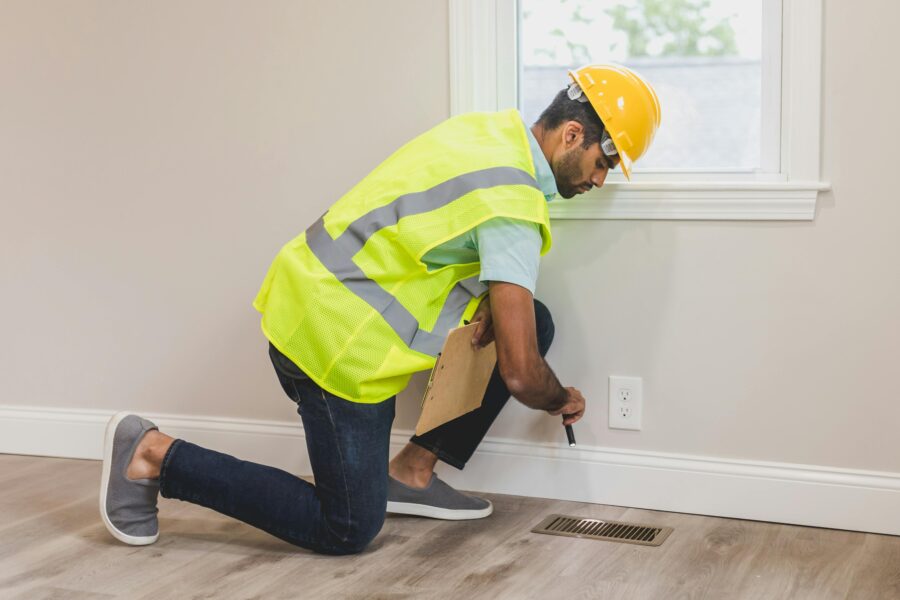


Property ownership carries ongoing responsibilities that extend well beyond collecting rent or maintaining appearances. Whether a building is residential or commercial, its condition and safety can change over time due to wear, usage, and environmental factors. Property assessments provide a structured way to understand those changes and respond appropriately.
Rather than focusing on one isolated issue, property assessments look at how a building functions as a whole. They help property owners, landlords, and managers identify potential risks, address safety concerns, and maintain properties in a way that supports long-term use. When approached correctly, assessments become a tool for planning and prevention rather than a reaction to problems.
This guide explores what property assessments involve, why they matter, and how different types of assessments work together to support safer, well-managed buildings.
Understanding Property Assessments
Property assessments are professional checks designed to evaluate the condition and safety of key systems within a building. They are not intended to judge a property’s value or aesthetics. Instead, they focus on identifying potential hazards, areas of deterioration, and elements that may require attention to remain safe and functional.
Assessments vary depending on the building type and how it is used. A residential rental property may require different checks compared to a commercial premises or a mixed-use building. The common goal, however, is the same: to help property owners understand the current state of their property and make informed decisions about maintenance and safety.
Why Property Assessments Are Important
Property assessments serve as an early warning system. Many safety risks develop gradually and may not be immediately obvious to occupants or owners. Electrical wiring can degrade, fire doors can lose effectiveness, and safety systems can fall out of working order without visible signs.
By carrying out regular assessments, property owners reduce the likelihood of unexpected failures. This proactive approach supports safer living and working environments while also helping owners manage costs more effectively. Addressing minor issues early is often far less disruptive and expensive than dealing with emergencies.
Assessments also provide documented evidence that reasonable steps are being taken to manage property safety. This can be useful when dealing with insurers, managing tenancies, or demonstrating responsible ownership.
Fire Safety as Part of Property Assessments
Fire safety is a central element of many property assessments, particularly in buildings where multiple people live or work. Fire risks are influenced by a combination of building design, electrical systems, occupancy levels, and human behaviour.
Fire Risk Assessments
Fire risk assessments examine how a property might respond in the event of a fire. They consider potential ignition sources, the presence of combustible materials, the effectiveness of detection systems, and the availability of escape routes.
Rather than assuming that all buildings face the same risks, fire risk assessments take into account how the property is used. A small residential block, for example, presents different considerations than a retail unit or office space. The assessment helps determine whether existing fire safety measures are appropriate or whether improvements should be considered.
Fire Door Inspections
Fire doors play a critical role in slowing the spread of fire and smoke. Over time, doors may be damaged, altered, or fitted incorrectly, reducing their effectiveness. Fire door inspections assess whether doors are closing properly, seals are intact, and frames remain in good condition.
These inspections are particularly important in buildings with shared corridors or escape routes, where fire doors form part of the overall fire strategy.
Emergency Lighting and Alarms
In properties where emergency lighting is required, assessments help confirm that systems operate correctly and provide adequate illumination during power failures. Similarly, checks of smoke and heat alarms help ensure early warning systems are present and functioning as expected.
Fire safety assessments do not eliminate risk entirely, but they significantly improve preparedness and response capability.
Electrical Safety Assessments and Their Importance
Electrical systems are under constant use, making electrical safety a key component of property assessments. Faults within fixed electrical installations can increase the risk of shock, fire, or equipment failure.
Electrical Installation Condition Reports
An Electrical Installation Condition Report provides a detailed review of a property’s fixed electrical system. It assesses wiring, sockets, switches, consumer units, and protective devices to determine whether they remain safe for continued use.
Electrical assessments do not simply identify problems. They also provide recommendations based on the condition of the installation, helping owners prioritise work sensibly rather than reacting to issues blindly.
Gas Safety Within Property Assessments
Gas safety is another essential aspect of property assessments where gas appliances are present. Poorly maintained appliances can pose serious risks, including gas leaks or carbon monoxide exposure.
Gas Safety Checks
Gas safety checks examine appliances and associated pipework to ensure they are operating safely. While requirements vary depending on property type, regular gas assessments support occupant safety and help identify issues early.
Carbon Monoxide Protection
Carbon monoxide alarms provide additional reassurance by alerting occupants to dangerous gas levels. Property assessments help confirm alarms are installed where appropriate and appear to be functioning correctly.
Asbestos Surveys and Property Assessments
Asbestos remains present in many buildings constructed before modern regulations restricted its use. While asbestos does not always present a risk, it requires careful management.
Asbestos Surveys
Asbestos surveys identify materials that may contain asbestos and assess their condition. The purpose of these surveys is to support safe management, particularly during maintenance or refurbishment work. They help property owners understand where materials are located and how they should be handled to avoid disturbance.
Asbestos assessments do not automatically require removal. In many cases, safe management is the most appropriate approach.
How Property Assessments Work Together
One of the key strengths of property assessments is how different checks complement one another. Fire safety, electrical safety, gas safety, and asbestos management are interconnected rather than isolated concerns.
For example, an electrical fault may increase fire risk, while building alterations can affect escape routes or fire compartmentation. By viewing assessments as part of a broader safety strategy, property owners gain a clearer understanding of overall risk.
Property Assessments for Residential Properties
In residential settings, property assessments help landlords maintain safe living conditions and manage responsibilities more effectively. Regular assessments support predictable maintenance, reduce disputes, and help properties remain suitable for occupation.
Homeowners also benefit from assessments, particularly in older properties or after renovation work. Assessments provide reassurance and help identify issues that may not yet be causing visible problems.
Property Assessments for Commercial Buildings
Commercial properties often face higher demands due to occupancy levels, public access, and operational equipment. Property assessments support business continuity by reducing the likelihood of safety incidents that could disrupt operations.
Regular assessments help business owners plan maintenance, manage risk, and demonstrate responsible oversight of their premises.
Managing Findings From Property Assessments
The value of property assessments lies in how the findings are used. Reports should be reviewed carefully, with attention given to prioritising actions based on risk rather than cost alone.
Addressing higher-risk issues promptly helps prevent escalation. Lower-priority recommendations can be planned over time as part of routine maintenance.
Clear records of assessments and follow-up actions also support long-term property management.
The Role of Professional Property Assessment Services
Working with experienced providers helps ensure assessments are thorough and clearly explained. Professional services reduce uncertainty and help owners understand what action is appropriate without unnecessary alarm.
Property Checks supports landlords and property owners with a range of assessment services, including fire safety checks, electrical safety reports, gas safety checks, and asbestos surveys. These services are designed to provide clear guidance rather than overwhelming documentation.
Long-Term Benefits of Regular Property Assessments
Over time, regular property assessments lead to safer buildings, fewer emergencies, and more predictable maintenance costs. Properties that are assessed consistently are easier to manage and retain their functionality and value for longer.
For occupants, assessments provide reassurance that safety is being taken seriously. For owners, they support informed decision-making and long-term planning.
Conclusion
Property assessments are not just a compliance exercise. They are a practical tool for understanding how a building is performing and what it needs to remain safe and functional. By addressing risks early and planning maintenance strategically, property owners create safer environments while reducing disruption and uncertainty.
When approached as part of an ongoing management strategy, property assessments support better outcomes for buildings, occupants, and owners alike.