

Electrical safety is a fundamental part of managing any commercial property. Offices, shops, warehouses, industrial units, and mixed-use buildings all rely heavily on electrical systems to operate safely and efficiently. Over time, however, electrical installations can deteriorate, become overloaded, or fall out of line with current safety expectations.
This is where a commercial EICR certificate becomes an important tool. Rather than being a box-ticking exercise, it helps business owners and property managers understand the condition of their electrical systems and identify potential issues before they become disruptive or unsafe.
This guide explains what a commercial EICR certificate is, why it matters, how it works, and how it fits into responsible property management. The focus is practical and clear, helping commercial property owners make informed decisions without unnecessary technical language.
What Is a Commercial EICR Certificate?
A commercial EICR certificate is issued following an Electrical Installation Condition Report carried out in a non-domestic property. The report assesses the safety and condition of the fixed electrical installation within a building, such as wiring, distribution boards, sockets, lighting circuits, and protective devices.
The purpose of a commercial EICR is to determine whether the electrical installation is safe for continued use and to highlight any issues that may require attention. It does not assess portable appliances or equipment that can be unplugged, as these are typically covered by separate testing where applicable.
A commercial EICR certificate provides documented evidence that the electrical installation has been inspected by a qualified electrician and that its condition has been assessed against recognised safety standards.
Why Electrical Safety Is Critical in Commercial Properties
Commercial buildings generally place greater demands on electrical systems than residential properties. They often include:
- Higher electrical loads
- Multiple distribution boards
- Specialist equipment
- Extended operating hours
- Shared electrical infrastructure
Because of this, even minor faults can have wider consequences, including business disruption, equipment damage, or safety concerns for staff and visitors.
A commercial EICR certificate helps property owners and occupiers stay aware of how well their electrical system is coping with these demands and whether improvements or repairs should be considered.
What a Commercial EICR Covers
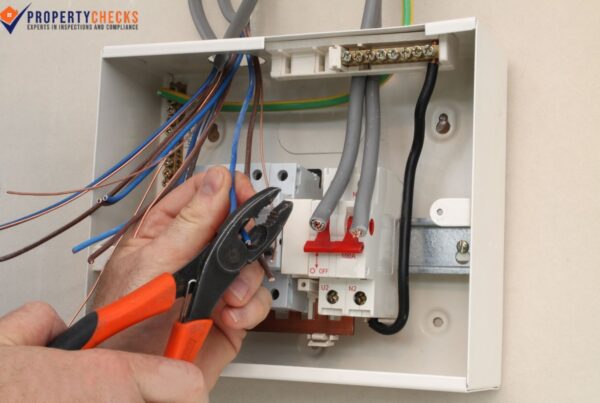
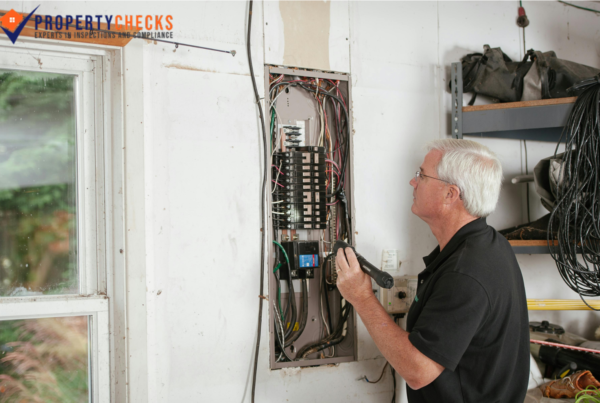
A commercial EICR focuses on the fixed electrical installation rather than individual appliances. During an inspection, the electrician will typically assess:
- Wiring systems and cable condition
- Distribution boards and protective devices
- Earthing and bonding arrangements
- Sockets and switches
- Lighting circuits
- Signs of overheating, wear, or damage
- Suitability of the installation for its current use
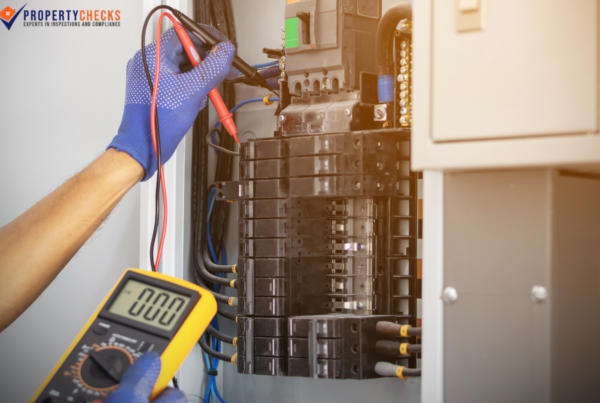
The inspection combines visual checks with testing to identify potential faults that may not be immediately visible.
Understanding EICR Classifications
One of the most important elements of a commercial EICR certificate is the classification system used in the report. These classifications help prioritise actions and clarify the level of risk associated with any issues found.
Code C1
This classification indicates a danger that presents an immediate risk. Action is usually required urgently to reduce the risk.
Code C2
A C2 classification highlights a potentially dangerous issue that should be addressed as soon as possible, even if it does not pose immediate danger.
Code C3
C3 items indicate areas where improvements are recommended but not essential for safety. These are advisory and help bring the installation closer to current standards.
FI
An FI code indicates that further investigation is needed to determine the extent of an issue.
Understanding these classifications helps business owners prioritise work logically rather than reacting unnecessarily to every observation.
Is a Commercial EICR Certificate a Legal Requirement?
Whether a commercial EICR certificate is required depends on several factors, including the type of property, how it is used, and any lease or insurance conditions.
In many commercial settings, electrical inspections are often expected as part of general health and safety responsibilities. Insurers, managing agents, or local authorities may request evidence of electrical safety, particularly in workplaces or public-facing environments.
While requirements can vary, a commercial EICR certificate is widely regarded as good practice and an important part of demonstrating responsible property management.
Who Needs a Commercial EICR Certificate?
A commercial EICR certificate may be relevant for:
- Business owners operating from commercial premises
- Landlords of commercial or mixed-use properties
- Property managers overseeing multiple units
- Managing agents responsible for shared electrical systems
- Tenants with electrical responsibilities under lease terms
It is particularly useful where multiple occupants share electrical infrastructure or where members of the public access the premises.
Commercial EICR Certificates and Landlord Responsibilities
For landlords, electrical safety is part of maintaining a safe environment for tenants. While responsibilities can differ depending on lease arrangements, landlords are often responsible for the condition of the fixed electrical installation.
A commercial EICR certificate helps landlords understand whether the installation remains suitable for the tenant’s activities and whether maintenance or upgrades are needed.
Clear documentation also supports communication between landlords and tenants, helping avoid disputes about responsibility for electrical issues.
Commercial EICR Certificates and Business Continuity
Electrical faults can cause unexpected downtime, particularly in businesses that rely on continuous power. Retail units, offices, and industrial sites may experience lost productivity or revenue if electrical issues arise.
By identifying problems early, a commercial EICR certificate supports preventative maintenance rather than reactive repairs. This helps reduce unplanned interruptions and allows work to be scheduled at convenient times.
What Happens If Issues Are Identified?
If an EICR identifies issues, the report will outline recommended actions based on their classification.
Immediate safety concerns may require prompt attention. Other observations may be addressed over time as part of planned maintenance. The goal is to manage risk proportionately rather than react unnecessarily.
Once remedial work is completed, an updated certificate or confirmation may be issued to demonstrate that issues have been resolved.
Preparing for a Commercial EICR Inspection
Proper preparation helps ensure the inspection runs smoothly and efficiently.
Property owners or managers should:
- Ensure access to all relevant areas
- Provide previous electrical reports if available
- Inform occupants of the inspection schedule
- Identify any known electrical concerns
Good preparation reduces disruption and allows the electrician to carry out a thorough assessment.
Common Challenges in Commercial Electrical Inspections
Access to All Areas
In occupied commercial buildings, coordinating access can be challenging. Early planning helps avoid delays.
Older Installations
Older properties may require more detailed assessment, particularly if documentation is limited.
Changes in Usage
Electrical systems designed for previous uses may no longer be suitable for current operations. EICRs help identify these mismatches.
Commercial EICR vs PAT Testing
It is common to confuse commercial EICR certificates with PAT testing, but they serve different purposes.
A commercial EICR assesses the fixed electrical installation. PAT testing focuses on portable appliances provided within the premises.
Both can play a role in electrical safety, but one does not replace the other.
How a Commercial EICR Supports Insurance and Risk Management
Many insurers expect property owners to take reasonable steps to manage electrical risk. While requirements vary, a commercial EICR certificate can support insurance discussions and demonstrate a proactive approach to safety.
Clear documentation also helps in the event of an incident investigation.
Choosing a Provider for a Commercial EICR Certificate
Selecting an experienced and qualified provider is essential. A professional inspection should result in a clear, easy-to-understand report rather than a confusing technical document.
Property owners benefit most when the findings are explained clearly and recommendations are practical and proportionate.
Property Checks provides Commercial EICR Certificate after comprehensive evaluation of your electrical systems.
How Commercial EICR Certificates Fit Into Wider Property Compliance
Electrical safety does not exist in isolation. Commercial EICR certificates work best when considered alongside other safety responsibilities such as fire safety, emergency lighting, and gas safety where applicable.
Together, these measures provide a clearer picture of a building’s overall safety and suitability.
Frequently Asked Questions
What does a commercial EICR certificate confirm?
It confirms that a fixed electrical installation has been inspected and assessed for safety and condition at the time of inspection.
Does a commercial EICR certificate expire?
EICRs do not have a fixed expiry date, but they include a recommended inspection interval that should be followed.
Will a failed EICR stop business operations?
Not necessarily. The outcome depends on the nature of any issues found and how they are managed.
Is a commercial EICR required for small offices?
Requirements vary, but EICRs are widely considered good practice for all commercial premises.
Can inspections be done outside business hours?
In many cases, inspections can be scheduled to minimise disruption, depending on access requirements.
Conclusion
A commercial EICR certificate is an essential tool for understanding the safety and condition of electrical installations in non-domestic properties. It supports safer working environments, better maintenance planning, and clearer communication between property owners, tenants, and managing agents.
Rather than viewing EICRs as a compliance burden, they should be seen as a proactive step toward protecting people, property, and business operations.
For business owners and landlords seeking reliable electrical safety support, Property Checks offers professional services tailored to commercial and residential properties.