
Damp and mould can damage a building and affect the health and wellbeing of occupants. A professional survey helps identify the likely source, understand the extent of the problem and plan proportionate remedial action.
Expert Damp & Mould Surveys
Supporting Awaab’s Law & Housing Compliance
Independent damp and mould surveys carried out by qualified surveyors, helping landlords, managing agents, housing associations and property owners meet their legal obligations under Awaab's Law and the Housing Health and Safety Rating System (HHSRS).
Why You Need a Damp and Mould Survey
Protect Occupants & Address the Cause
What We Check
Detailed, On-Site
Property Inspection
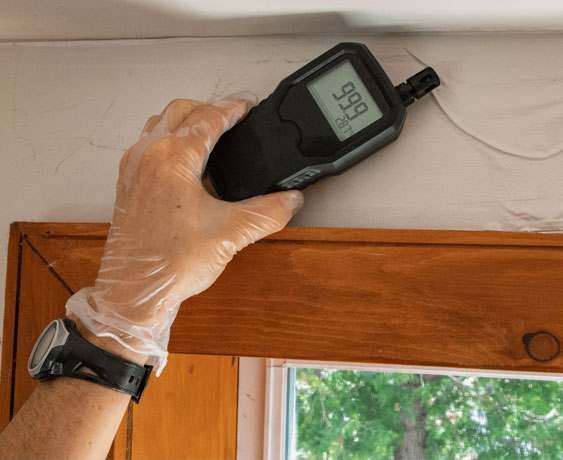
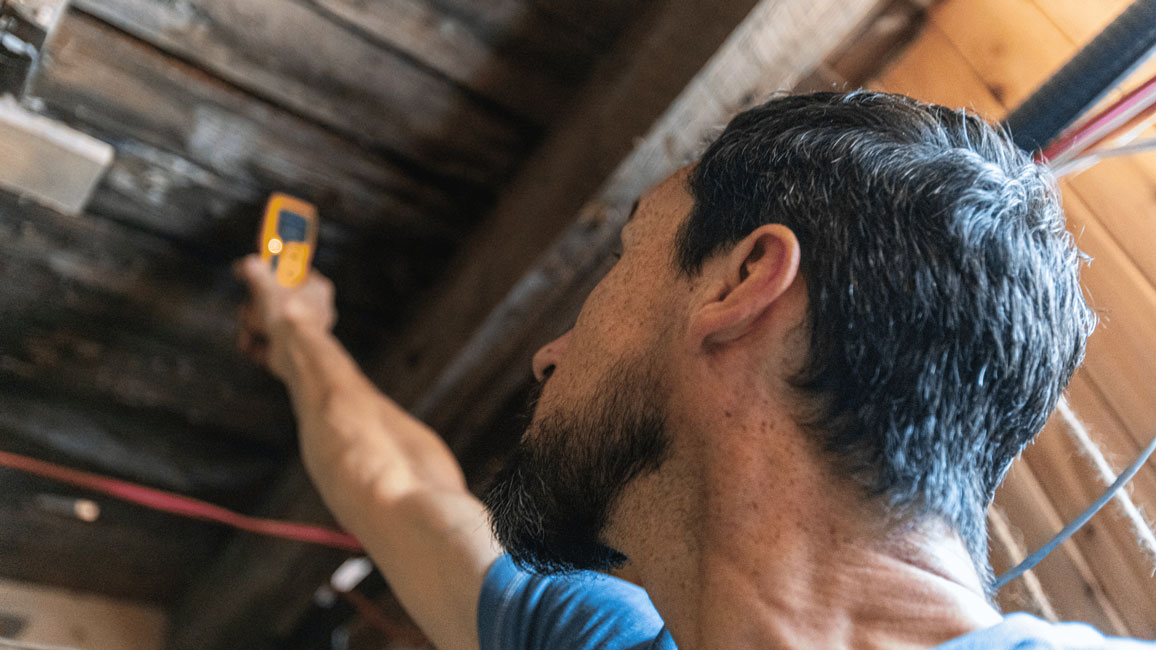
Damp and Mould Survey
What Is a Damp and Mould Survey?
A damp and mould survey investigates the location, extent and likely cause of moisture and mould within a property. Depending on the building and symptoms, possible causes may include condensation, plumbing leaks, rainwater penetration, defective external elements or moisture rising through the building fabric.
Following the inspection, we provide a clear digital report setting out the observations, likely causes and practical recommendations for further investigation, repair or monitoring.
Damp Surveys for Occupied, Pre-Purchase & Refurbishment Properties
Whether you are responding to a tenant complaint, investigating recurring moisture or planning to buy or refurbish a property, the survey scope can be tailored to the issue. The aim is to identify likely causes early and provide evidence-based recommendations before unnecessary or ineffective work is commissioned.
Who Needs This Survey?
Designed for Landlords, Builders & Businesses

Landlords
(Private & HMO)

Homeowners

Property managers

Building contractors
& surveyors
& surveyors

Public sector:
schools, hospitals,
housing associations
schools, hospitals,
housing associations

Why Choose Property Checks?
Clear Inspections & Practical Reports
Trust & Benefits
Identify the Cause of Damp and Mould
Do not rely on surface treatment alone. Let us inspect the property, identify the likely moisture source and provide clear recommendations for the next steps.
FAQ
Frequently Asked Questions
Is a damp and mould survey a legal requirement in the UK?
There is no universal rule requiring every property to have a standalone damp and mould survey. However, landlords must keep rented homes fit for human habitation and address serious hazards. Social landlords also have specific duties under Awaab’s Law for significant damp and mould hazards and emergency hazards.
What type of damp and mould survey do I need?
An occupied-property investigation is suitable where damp or mould has been reported. A broader pre-purchase or refurbishment survey may be appropriate before buying, selling or planning building work. The required scope depends on the property and the suspected cause.
What happens during a damp and mould survey?
The surveyor visually inspects the affected areas and relevant building elements, considers ventilation and moisture sources, and may use moisture meters or thermal imaging where appropriate. The findings are recorded in a written report with prioritised recommendations.
What should I do if damp or mould is found on my property?
Follow the recommendations in the report and address the underlying moisture source rather than treating visible mould alone. Required action may include repairing leaks, improving ventilation, insulation or heating, and safely removing contaminated finishes.
How does Awaab’s Law apply to damp and mould?
Awaab’s Law applies to registered social landlords in England. Significant damp and mould hazards must be investigated within the statutory timeframe, and emergency hazards must be investigated and made safe within 24 hours. Private landlords remain subject to their separate repair, fitness and housing-condition duties.
How long is a damp and mould survey valid for?
A survey records the condition observed on the inspection date and does not have a universal fixed expiry period. A further inspection may be needed if conditions change, new symptoms appear, repairs are completed or the report recommends follow-up monitoring.