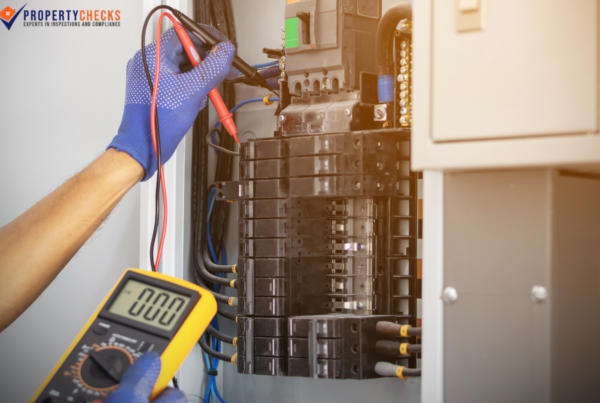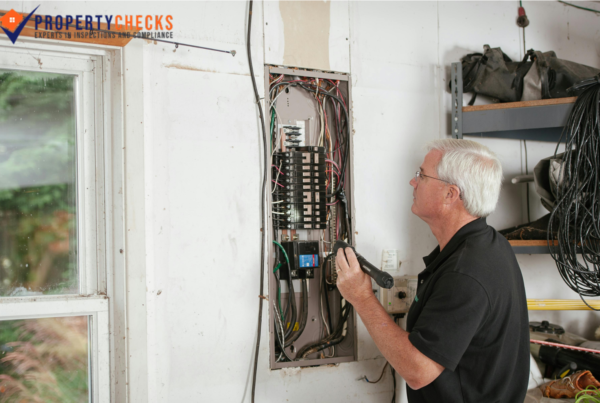

Electrical systems are one of the most critical components of any property, yet they are often overlooked until something goes wrong. At the centre of every electrical installation is the fuse box, sometimes referred to as a consumer unit. This piece of equipment controls how electricity is distributed throughout a building and plays a vital role in protecting people and property from electrical faults.
In UK properties, fuse box installation and upgrades are becoming increasingly important as electrical demand grows and safety standards continue to evolve. Older systems that were once considered adequate may no longer provide the level of protection expected today. Understanding why fuse box installation matters helps property owners make informed decisions that support safety, reliability, and long-term property management.
This guide explores the role of fuse boxes, why modern installation matters, when upgrades should be considered, and how fuse box installation fits into responsible property ownership across the UK.
What Is a Fuse Box and What Does It Do
A fuse box is the central control point for a property’s electrical circuits. It receives electricity from the main supply and distributes it safely to different parts of the building. Each circuit is protected so that if a fault occurs, power is interrupted before damage or danger escalates.
Modern fuse boxes use circuit breakers and safety devices that react quickly to electrical issues. Older fuse boxes may rely on rewirable fuses or outdated protection methods that do not offer the same level of responsiveness or reliability.
The primary purpose of a fuse box is not convenience, but protection. It helps prevent electrical overloads, reduces the risk of fire, and limits the chance of electric shock.
Why Fuse Box Installation Is So Important in UK Properties
Electrical safety expectations in the UK have changed significantly over time. As homes and buildings now rely on more appliances, devices, and systems than ever before, electrical installations must cope with higher demand.
Fuse box installation is important because it ensures that the electrical system can safely manage modern usage patterns. An outdated or poorly installed fuse box may struggle to handle current loads, increasing the likelihood of faults or overheating.
Modern fuse boxes are designed to detect issues quickly and isolate problems before they affect the rest of the system. This level of protection is particularly important in residential properties where occupants may not notice early warning signs of electrical failure.
Understanding Modern Consumer Units
Today’s fuse boxes, often referred to as consumer units, include a range of safety features designed to reduce risk.
Circuit Breakers
Circuit breakers automatically cut power when a circuit becomes overloaded or develops a fault. Unlike traditional fuses, they can be reset once the issue is resolved.
Residual Current Devices
Residual current devices monitor the flow of electricity and disconnect the supply if an imbalance is detected. This helps protect against electric shock, particularly in environments where moisture may be present.
Surge Protection Devices
Some modern fuse boxes include surge protection to help protect electrical equipment from voltage spikes caused by external factors such as power surges.
These features work together to create a safer electrical environment for occupants.
Fuse Box Installation in Older UK Properties
Many UK homes were built decades ago, at a time when electrical usage was far lower. Properties constructed before modern wiring standards may still have fuse boxes that were not designed for today’s demands.
Older fuse boxes may show signs such as:
- Limited circuit capacity
- Rewirable fuses
- Lack of modern safety devices
- Frequent tripping or blown fuses
While an older fuse box does not automatically mean a property is unsafe, it does mean that an assessment may be appropriate. Fuse box installation or upgrades help bring older properties closer to current expectations without requiring a full rewire in every case.
How Fuse Box Installation Supports Fire Safety
Electrical faults are a common cause of domestic fires. Overloaded circuits, loose connections, and overheating components can all contribute to fire risk if not properly managed.
Modern fuse box installation reduces this risk by ensuring faults are detected and isolated quickly. Circuit breakers and safety devices respond faster than older systems, limiting the amount of heat generated during a fault.
By improving how electrical issues are controlled, fuse box installation supports a safer living environment and reduces the likelihood of serious incidents.
Fuse Box Installation and Electrical Inspections
Fuse box installation often goes hand in hand with electrical inspections such as Electrical Installation Condition Reports. These inspections assess the condition of the electrical system and may identify issues with the existing fuse box.
In many cases, an inspection may recommend an upgrade rather than immediate replacement. This allows property owners to plan improvements sensibly and avoid unnecessary work.
Installing a modern fuse box can also make future inspections more straightforward by ensuring the system meets current safety expectations.
Fuse Box Installation in Rental Properties
For landlords, fuse box installation plays an important role in maintaining safe and reliable rental accommodation. Tenants rely on electrical systems for everyday living, and faults can quickly lead to inconvenience or safety concerns.
A modern fuse box helps reduce the likelihood of power outages, tripping circuits, and electrical complaints. It also supports a proactive approach to property management by addressing potential risks before they affect tenants.
While requirements depend on property type and circumstances, maintaining an up-to-date electrical system is widely considered good practice for rental properties.
Fuse Box Installation in Commercial Buildings
Commercial properties often place higher demands on electrical systems due to equipment, lighting, and operating hours. Fuse box installation in these settings supports consistent performance and business continuity.
An appropriately installed fuse box helps ensure that circuits are correctly protected and that faults in one area do not disrupt the entire premises. This is particularly important in workplaces where downtime can affect operations.
Commercial installations may also require more complex configurations, making professional installation essential.
When Fuse Box Installation Should Be Considered
There are several situations where fuse box installation or replacement may be worth considering.
Frequent Electrical Issues
Repeated tripping or blown fuses may indicate that the existing fuse box is struggling to cope with demand.
Property Renovations
Extensions, new kitchens, or added electrical appliances can significantly increase load. Fuse box installation ensures the system can handle these changes safely.
Outdated Equipment
Older fuse boxes without modern safety devices may benefit from upgrading to improve protection.
Safety Concerns Identified During Inspections
Electrical inspections may highlight limitations or risks associated with the existing fuse box.
Considering installation at the right time helps prevent disruption later.
What Happens During Fuse Box Installation
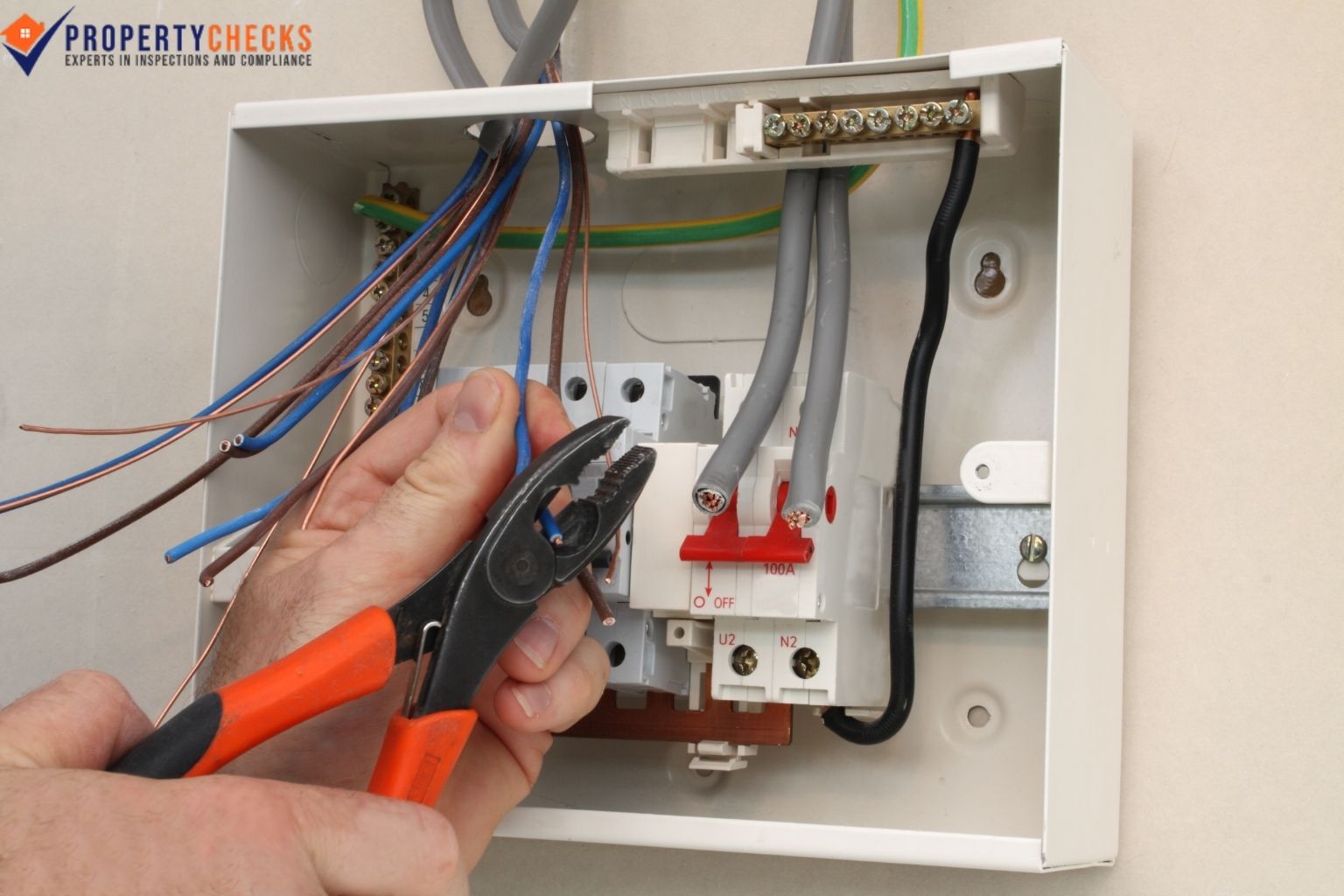
Fuse box installation involves replacing the existing unit with a modern consumer unit. The process includes isolating the power supply, removing the old box, installing the new unit, and connecting circuits securely.
Testing is carried out to confirm that circuits are correctly protected and that safety devices function as intended. While installation may involve temporary power interruption, disruption is usually limited.
Professional installation ensures that work is carried out safely and in line with applicable standards.
Common Misunderstandings About Fuse Box Installation
Some property owners assume that a fuse box only needs attention if it fails completely. In reality, performance and safety can decline gradually without obvious signs.
Others worry that installation always requires major rewiring. In many cases, the existing wiring can remain in place, with the fuse box upgraded to improve protection.
Understanding these misconceptions helps owners make informed decisions rather than delaying necessary improvements.
Fuse Box Installation and Property Value
While fuse box installation is not a cosmetic upgrade, it contributes to the overall quality and safety of a property. Buyers and tenants increasingly value well-maintained electrical systems.
A modern fuse box can provide reassurance during property transactions and inspections, supporting smoother processes and fewer objections.
Documentation and Record Keeping
After fuse box installation, documentation is typically provided to confirm the work carried out. Keeping these records alongside other property documentation supports long-term management and future inspections.
Clear records help demonstrate that electrical systems have been maintained responsibly.
Choosing the Right Time for Fuse Box Installation
Timing plays an important role in minimising disruption and cost. Coordinating fuse box installation with other electrical works or renovations can be more efficient than addressing it separately.
Planning installation as part of a wider property maintenance strategy helps owners avoid reactive decision-making.
The Role of Professional Installation Services
Fuse box installation should always be carried out by qualified professionals. Electrical work carries inherent risks, and improper installation can create serious safety issues.
Professional services ensure that installations are completed correctly, tested thoroughly, and explained clearly to property owners.
Long-Term Benefits of Proper Fuse Box Installation
Over time, proper fuse box installation delivers lasting benefits.
- Improved electrical safety
- Reduced fire risk
- More reliable power supply
- Easier future inspections
- Greater peace of mind
By investing in the core of the electrical system, property owners create safer and more dependable environments.
Frequently Asked Questions
Does every UK property need a modern fuse box
Not every property requires immediate replacement, but older systems may benefit from assessment and potential upgrading.
How long does fuse box installation take
Most installations can be completed within a day, depending on complexity.
Will power be interrupted during installation
Yes, but interruption is usually temporary and planned.
Can a fuse box be upgraded without rewiring
In many cases, yes. The need for rewiring depends on the condition of existing circuits.
Is fuse box installation disruptive
Disruption is generally minimal when work is planned properly.
Conclusion
Fuse box installation is a fundamental part of maintaining safe and reliable electrical systems in UK properties. As electrical demand continues to increase, older fuse boxes may no longer provide adequate protection or performance.
By understanding the importance of modern fuse box installation, property owners can take proactive steps to reduce risk, improve reliability, and support responsible property management.
Property Checks offers fuse box installation in London and other areas of the UK, supporting landlords, homeowners, and businesses with professional electrical solutions designed to meet modern safety expectations.